We may earn a commission when you buy through links on this page, at no extra cost to you. How this works.
Electrolyte powders are worth it if you lose significant sodium, potassium, or magnesium through sweat, follow a low-carb or ketogenic diet, or spend extended time in hot conditions - but they offer little benefit for most people eating varied diets with moderate activity levels. The decision comes down to whether you face meaningful electrolyte depletion that water and food don't already cover.
Your body maintains tight control over fluid and mineral balance through diet and kidney regulation. For someone sitting in climate-controlled spaces, eating regular meals, and exercising lightly, plain water and table salt from food typically provide everything needed. Electrolyte powders become useful when output - through sweat, low insulin on keto, or heat exposure - outpaces what you're replacing through meals.
The value also depends on formulation. Products heavy on sugar or artificial fillers may add energy in the form of calories, but that's not the same as improving cellular hydration or electrolyte status. Effective powders prioritize sodium (400 - 1,000 mg per serving), potassium (200 - 400 mg), and magnesium (50 - 100 mg) with minimal or zero added sugar, especially if your goal is daily hydration rather than intra-workout fuel.
This guide walks through who actually benefits, what to look for on the label, how electrolyte powders compare to whole-food sources and sports drinks, and whether the cost justifies daily use. If you're uncertain whether your routine, diet, or environment creates real demand, the breakdown ahead will make the tradeoffs clear.
Who Actually Needs Extra Electrolytes
Most people get enough electrolytes from food and water to support typical daily activity without supplementation. Your body maintains electrolyte balance through diet, and a standard eating pattern that includes fruits, vegetables, dairy, and salted foods covers baseline sodium, potassium, magnesium, and calcium needs.
Extra electrolytes become useful when you lose significant amounts through sweat or when your diet restricts typical sources. Athletes training intensely for more than 60 minutes, especially in heat, lose measurable sodium and potassium that plain water alone won't replace. If you finish a workout drenched and notice muscle cramps or unusual fatigue, sweat-driven losses may exceed what you're replacing through meals.
People following ketogenic or very low-carb diets often experience increased electrolyte excretion during the first few weeks as the body sheds water and stored glycogen. This shift can create temporary imbalances that benefit from targeted sodium, potassium, and magnesium support. Similarly, very low-sodium diets prescribed for certain health conditions may leave some individuals below optimal intake thresholds, though any supplementation should align with medical guidance.
Environmental factors matter as well. Working outdoors in high heat, traveling to hot climates, or spending extended time in dry indoor environments can increase fluid and electrolyte turnover. If you're urinating frequently with pale or clear urine but still feel thirsty or sluggish, you may be diluting electrolyte concentrations without adequate replacement.
A practical self-assessment: if you eat varied meals, exercise moderately, and feel consistently energized and hydrated, food-based electrolytes are likely sufficient. If you're training hard, sweating heavily, restricting food groups, or experiencing persistent low energy despite adequate sleep and calories, an electrolyte supplement may fill a real gap. The key is matching your intake to actual loss, not replacing something you're already getting enough of through diet.
What to Look for in Electrolyte Formulations
Choosing an electrolyte powder requires understanding which minerals matter, in what amounts, and for which context. Not all formulations are designed for the same purpose, and label claims often obscure functional differences.
Sodium is the primary electrolyte lost in sweat and the main driver of fluid retention and absorption in the body. Most electrolyte powders contain between 200 and 500 milligrams per serving, though formulas aimed at endurance athletes or heavy sweaters may provide 500 to 1,000 milligrams or more. For routine daily hydration in moderate climates, lower sodium levels are typically sufficient. Higher doses are more appropriate during prolonged exercise, heat exposure, or when replacing significant sweat losses.
Potassium works alongside sodium to regulate fluid balance and muscle function. Many products provide 200 to 400 milligrams per serving, though some contain less due to regulatory limits on potassium in supplements. Since most people get potassium from food, a moderate amount in a powder is adequate for hydration support. Magnesium is often included at 50 to 100 milligrams per serving and supports muscle relaxation and energy metabolism, though it is less critical for immediate hydration.
The presence or absence of carbohydrates serves different purposes. Sugar-free formulas are suited for everyday hydration, low-carb diets, or situations where calorie intake is not a priority. Carb-containing formulas - typically providing 10 to 20 grams of sugar or maltodextrin - are designed to accelerate sodium and water absorption during or after intense exercise. The combination of glucose and sodium enhances intestinal uptake, which can be useful during prolonged activity but is unnecessary for most daily use.
Electrolyte ratios matter less than total amounts in context. Marketing emphasizing precise sodium-to-potassium ratios is often overstated; what matters is whether the formula delivers enough of each mineral to replace what you lose or support your intended use. Additives like artificial sweeteners, flavors, or coloring agents do not affect electrolyte function but may influence taste and tolerability.
Labels listing trace minerals such as zinc, selenium, or chloride do not meaningfully improve hydration performance in typical doses. Focus on sodium, potassium, and magnesium content relative to your activity level, sweat rate, and diet. A product formulated for endurance athletes will look different from one designed for casual daily use, and neither is inherently better - only more or less appropriate for the situation.
Signs Electrolyte Powders Might Help You
- You exercise intensely for over 60 minutes regularly
- You follow a strict low-carb or ketogenic diet
- You experience frequent muscle cramps during or after activity
- You live or train in hot, humid climates
- You notice persistent fatigue despite adequate water intake
- You have low sodium intake from whole foods
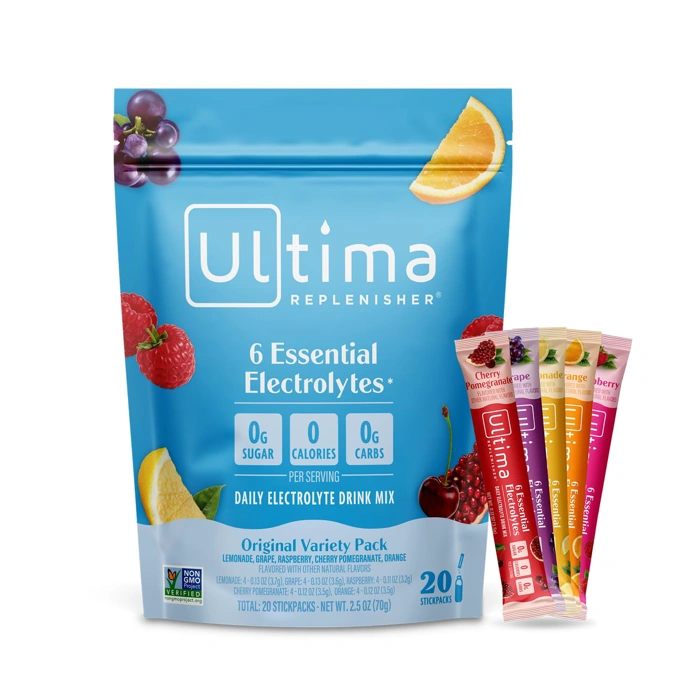
Ultima Replenisher Daily Electrolyte Powder – Original Variety Pack, 20 Stickpacks – Zero Sugar Hydration Packets with 6 Electrolytes and Minerals – Sugar Free, Plant Based & Keto Friendly Drink Mix
If you're looking for daily electrolyte support without sugar or carbs, Ultima Replenisher Daily Electrolyte Powder delivers six electrolytes in a zero-calorie, plant-based formula. The original variety pack includes 20 single-serve stickpacks in assorted flavors, making it easy to rotate tastes while keeping sodium, potassium, magnesium, calcium, chloride, and phosphorus intake consistent. Because it contains no sugar, it fits cleanly into keto, low-carb, and intermittent fasting routines without disrupting metabolic goals.
Each stickpack mixes into the listed size of water and relies on natural flavors and stevia for sweetness. The absence of added sugar means you avoid the blood glucose spike that comes with many sports drinks, but it also means this powder won't supply quick carbohydrate energy during or after intense workouts. The variety pack format lets you test multiple flavors before committing to a single option, though individual flavor preferences vary widely - some users appreciate the light citrus and berry notes, while others find stevia-based formulas slightly bitter.
The six-electrolyte blend addresses the full spectrum of minerals lost through sweat and normal daily fluid turnover, not just sodium and potassium. Magnesium and calcium support muscle function and bone health, while chloride and phosphorus contribute to fluid balance and cellular energy metabolism. This makes Ultima suitable for consistent, moderate hydration rather than emergency rehydration or high-intensity athletic recovery, where higher sodium concentrations and faster absorption formulas are often more effective.
Because the product is plant-based and free from gluten, soy, and artificial colors, it accommodates most dietary restrictions. The stickpack format improves portability over tubs or bulk containers, though per-serving cost runs higher than some competitors. At $20.99 for 20 servings, you're paying roughly the listed amount per packet, which is reasonable for a clean-label, multi-electrolyte formula but more expensive than single-mineral options or DIY salt-and-citrus blends.
Ultima works well for people who drink plain water throughout the day but want to ensure adequate mineral intake without tracking individual supplements. It's also practical for those on restricted diets who need a convenient hydration option that won't interfere with macros. If you prioritize taste variety, zero sugar, and a comprehensive electrolyte profile over the lowest possible cost, this variety pack offers a straightforward way to assess whether the formula and flavors fit your daily routine.
- ✅ Six electrolytes including magnesium, calcium, and phosphorus
- ✅ Zero sugar, zero calories, keto and plant-based friendly
- ✅ Variety pack with 20 single-serve stickpacks for flavor rotation
- ✅ No gluten, soy, or artificial colors
- ⚠️ Stevia sweetness may taste slightly bitter to some users
- ⚠️ Higher per-serving cost than bulk powders or DIY options
- ⚠️ No carbohydrate content limits use during high-intensity exercise
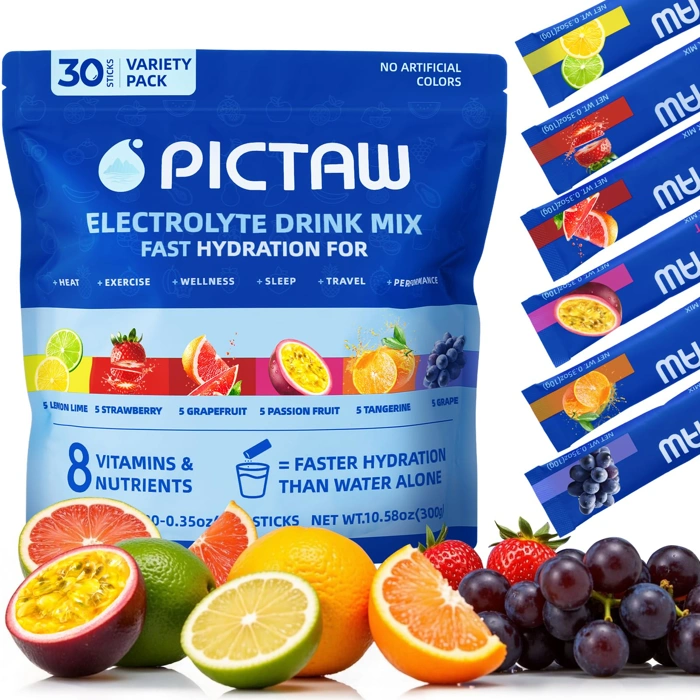
Instant Electrolyte Powder Drink Mix, Variety Pack, 30 Packets
The Instant Electrolyte Powder Drink Mix Variety Pack delivers 30 single-serve packets at $15.98, which works out to roughly the listed amount per serving - a lower per-packet cost than many premium brands. The variety pack format lets you rotate flavors without committing to a single taste, which can help with daily consistency if flavor fatigue is a concern.
This option is positioned for people who want a straightforward electrolyte supplement without specialty ingredients or premium branding. The variety pack includes multiple flavors in one box, so you can alternate between options or share packets with others in your household. At 30 packets, one box provides a full month of daily use when consumed once per day.
Because this product carries a 4.3 out of 5 rating, it reflects generally positive user experience, though the verified specs don't include detailed electrolyte content or flavor breakdown. If you're comparing cost per serving and prefer having flavor variety built into a single purchase, this pack offers practical value for daily hydration routines without the per-serving cost of higher-priced alternatives.
This is a budget-conscious choice for consistent daily use, especially if you prioritize packet count and variety over brand recognition or specialized formulation.
- ✅ Low cost per serving at approximately $0.53 per packet
- ✅ Variety pack offers multiple flavors in one purchase
- ✅ 30-packet count supports a full month of daily use
- ⚠️ Limited verified detail on electrolyte composition
- ⚠️ No premium or specialty ingredients highlighted
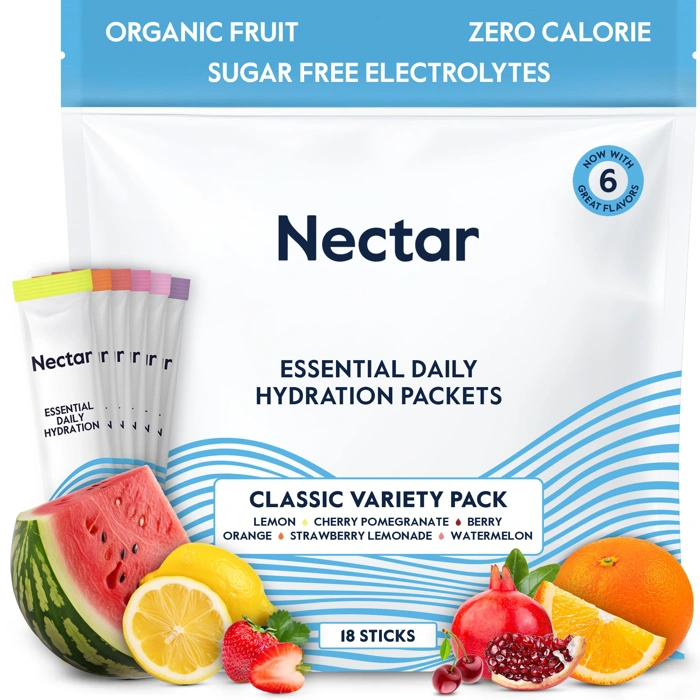
Nectar Organic Fruit Electrolyte Powder Hydration Packets, Variety 18 Pack
Nectar Organic Fruit Electrolyte Powder Hydration Packets offer a certified organic option for those who prioritize ingredient sourcing and clean labeling over bulk pricing. The 18-pack variety format delivers fruit-based flavors in single-serve packets, making portion control straightforward without the commitment of a multiple- or multiple-count box.
The organic certification appeals to users who want to avoid synthetic additives and conventional agriculture inputs, though this focus typically comes at a higher cost per serving than non-organic alternatives. The fruit-based flavoring aims for a more natural taste profile compared to artificial options, which may suit palates sensitive to overly sweet or chemical notes.
At $20.61 for 18 packets, the per-serving cost sits in the mid-to-upper range. For daily use, this adds up quickly compared to larger, non-organic packs. The variety format can help if you're still exploring flavor preferences or want rotation to avoid taste fatigue, but it offers less value if you already know which flavor you'll drink consistently.
The 4.3/5 rating suggests general satisfaction with taste and mixability, though without detailed verified facts on electrolyte composition or dosage per packet, it's important to check the label to confirm sodium, potassium, and magnesium levels meet your hydration needs - especially if you're using these for post-exercise recovery or hot-weather hydration rather than light daily supplementation.
This product fits users who value organic ingredients and are willing to pay a premium for that standard, or those testing electrolyte powders for the first time and preferring a smaller pack. If budget or high-frequency use is your priority, a larger non-organic container will deliver better cost efficiency.
- ✅ Certified organic ingredients
- ✅ Fruit-based flavoring for a cleaner taste profile
- ✅ Variety pack helps with flavor exploration
- ✅ Single-serve packets support portion control and portability
- ⚠️ Higher cost per serving than non-organic options
- ⚠️ 18-pack size less economical for daily, long-term use
- ⚠️ Limited verified details on electrolyte composition and dosage
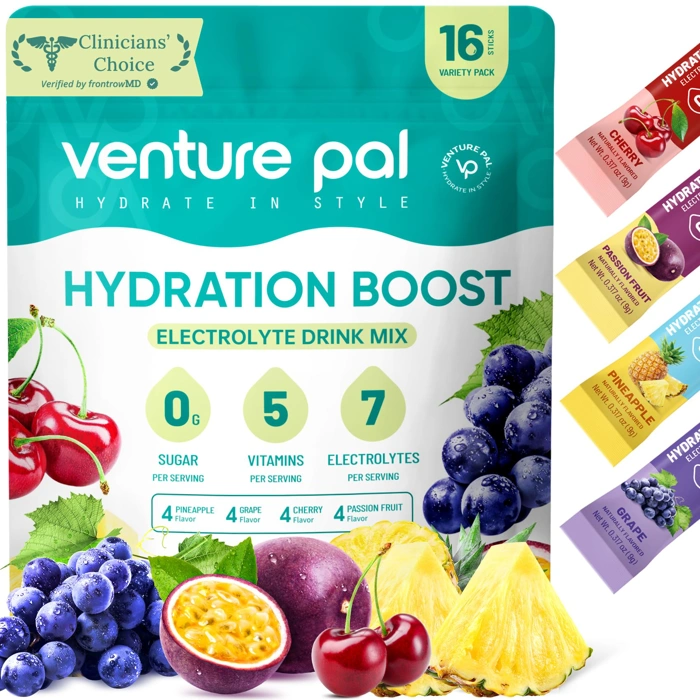
Venture Pal Sugar Free Electrolyte Powder Packets, Keto Friendly, 16 Sticks
Venture Pal Sugar Free Electrolyte Powder Packets offer a low-commitment entry point for anyone curious about electrolyte supplementation but reluctant to buy bulk quantities. The 16-stick pack lets you test whether you notice improved hydration or energy on active days without investing in a multiple- or multiple-serving container that might sit unused.
The keto-friendly formula skips added sugar, making it compatible with low-carb eating patterns and suitable for those monitoring glucose response. Each stick mixes into water for portable use at the gym, office, or during outdoor activities. At $15.99, the per-serving cost runs higher than larger tubs, but the smaller format reduces waste if electrolyte powders turn out not to fit your routine.
This option works well if you're experimenting with electrolyte timing - post-workout, during long work shifts, or on hot days - and want to gauge whether the convenience and taste justify regular use. The packet design also travels more easily than tubs or jars, though you'll generate more packaging waste per dose. If the trial period confirms benefit, transitioning to a larger container will bring the cost per serving down.
- ✅ Small 16-stick pack suitable for trial before committing to bulk
- ✅ Sugar-free and keto-friendly formulation
- ✅ Portable single-serve packets for travel or work
- ⚠️ Higher per-serving cost than larger containers
- ⚠️ More packaging waste per dose than tubs
Cost-Benefit Analysis: Powders vs. Food Sources
Electrolyte powders typically cost $0.50 to $2.00 per serving, while obtaining similar mineral levels from whole foods often costs less and delivers additional nutrients like fiber, vitamins, and antioxidants. A single serving of powder may provide 200 - 400 mg sodium, 200 - 400 mg potassium, and 50 - 100 mg magnesium - amounts you can match with a banana (422 mg potassium), a handful of almonds (80 mg magnesium), a cup of cooked spinach (839 mg potassium, 157 mg magnesium), and a light pinch of sea salt (590 mg sodium per quarter teaspoon).
For active individuals losing significant sodium through sweat or those traveling without access to balanced meals, the convenience of a pre-portioned powder can justify the cost. Mixing a packet into a water bottle takes seconds and ensures consistent electrolyte intake when food timing is unpredictable. In contrast, someone with a stable routine and access to fresh produce can usually meet daily needs through meals, saving money and gaining broader nutritional benefits.
The economic case shifts when comparing single-serving packets to bulk powder. Buying a canister with 30 servings typically drops the per-serving cost by 30 - 50%, making daily use more comparable to food costs for people who genuinely benefit from supplemental electrolytes. If you're using powders occasionally - after long workouts or during travel - single-serve packets add convenience without requiring storage or measurement. If daily use becomes routine, bulk options offer better value while still delivering the speed and portability that whole foods can't match.
Whole foods also carry lower risk of overconsumption. It's difficult to accidentally consume excess sodium or potassium from a meal, but easy to overshoot when stacking multiple powder servings, flavored drinks, and salty snacks throughout the day. For most people, powders work best as a targeted supplement rather than a dietary foundation, used when sweat loss, schedule, or specific activity demands outweigh the cost and simplicity of eating balanced meals.
When Plain Water Is Enough
Most people doing moderate daily activity in comfortable indoor environments can meet their hydration and electrolyte needs with plain water and a balanced diet. If you're sitting at a desk, walking to meetings, or doing light household tasks, and you're eating regular meals that include fruits, vegetables, and whole foods, you're already getting sodium, potassium, and magnesium through your diet. In these conditions, your body's natural thirst signals and routine water intake throughout the day are typically sufficient to maintain fluid balance.
Adding electrolyte powder when you're not losing significant minerals through sweat or other means doesn't improve hydration outcomes - it just adds cost and, potentially, unnecessary sodium or sugar to your routine. Your kidneys efficiently regulate electrolyte levels, excreting any excess you don't need. Unless you're experiencing signs of inadequate hydration like dark urine, persistent thirst, or fatigue that doesn't resolve with water, you likely don't need supplemental electrolytes.
The threshold that signals a genuine need is prolonged or intense sweating, restricted food intake, illness, or extreme heat exposure. If your day involves sitting in climate-controlled spaces, eating balanced meals, and drinking water when thirsty, stick with that approach. Save electrolyte supplementation for situations where you're actually depleting minerals faster than food and water can replace them. This keeps your hydration strategy simple, cost-effective, and aligned with what your body actually requires.
Simple Next Steps
- Assess your activity level and sweat loss honestly
- Review your current sodium and potassium intake from food
- Try electrolyte powder during or after intense workouts for two weeks
- Track energy, cramping, and hydration subjectively
- Compare results to plain water baseline
- Decide based on measurable differences, not marketing claims