We may earn a commission when you buy through links on this page, at no extra cost to you. How this works.
Many popular electrolyte powders and drinks rely on sucralose, aspartame, or acesulfame-K to keep calories low while delivering sweetness. While these ingredients are approved for use, emerging research has raised questions about their impact on gut bacteria balance and insulin signaling, even in people who don't consume sugar. For those who prefer minimally processed nutrition or want to avoid synthetic additives, finding electrolyte supplements that skip these compounds requires reading every label carefully.
Clean electrolyte supplements use alternative sweetening strategies: stevia leaf extract, monk fruit, coconut sugar, or no sweetener at all. The challenge is identifying products that maintain effective mineral ratios without leaning on artificial ingredients for flavor or shelf stability. Sodium, potassium, and magnesium need to appear in amounts that support hydration during exercise, heat exposure, or low-carb eating, not just trace quantities added for label appeal.
This comparison focuses on five products that meet three core criteria: zero artificial sweeteners, transparent ingredient sourcing, and electrolyte profiles suited to real-world hydration needs. Each product differs in mineral balance, sweetness level, and ideal use scenario. Rather than ranking by subjective taste or making broad health claims, the breakdown examines what each formula offers and where it fits best. Whether you're replacing fluids after a workout, managing hydration on a ketogenic diet, or simply want a drink mix you can pronounce, the right choice depends on matching mineral content and flavor approach to your specific routine.
Our Criteria for Selecting the Best Clean Electrolytes
Finding an electrolyte supplement without artificial sweeteners means checking every ingredient line for sucralose, aspartame, and acesulfame-K, then confirming what the brand uses instead. We filtered products using four criteria: verified absence of artificial sweeteners on the label, at least 200 mg of potassium and 100 mg of magnesium per serving to support functional hydration beyond sodium alone, transparent disclosure of the sweetener alternative - whether stevia, monk fruit, organic cane sugar, or unflavored - and availability of third-party testing such as NSF certification when offered.
Electrolyte ratios matter because sweat loss varies by activity and environment. A formula with 500 mg sodium and minimal potassium may work for light indoor sessions, but longer outdoor efforts benefit from balanced magnesium and potassium to help replace what muscles use. Sweetener choice creates the most noticeable tradeoff. Stevia-based powders can leave a licorice-like aftertaste that some users tolerate and others dislike. Monk fruit blends typically cost more per serving but deliver a cleaner finish without this product. Organic cane sugar adds calories - usually 15 to 30 per scoop - but offers familiar sweetness and fast-digesting carbohydrate during endurance work. Unflavored options skip taste interference entirely, which works well when mixed into smoothies or flavored water, though drinking them plain requires commitment.
Third-party testing adds a layer of verification for label accuracy and contamination screening, but not every clean brand pursues certification due to cost. When a product lacks NSF or Informed Sport marks, ingredient transparency and manufacturing reputation become the fallback indicators. No single electrolyte powder wins across taste, cost, mineral profile, and mixability. The best choice depends on whether you prioritize zero aftertaste, specific mineral needs, or budget per serving.
What to Look for When Buying Clean Electrolyte Supplements
Reading ingredient labels carefully is the first defense against unwanted additives. Artificial sweeteners often hide in plain sight - sucralose, acesulfame-K, and aspartame may appear near the end of a long list, sometimes grouped with natural flavors to blur the line. Look for explicit callouts like "stevia leaf extract," "monk fruit extract," "organic cane sugar," or "unsweetened" on the front panel, then cross-check the full ingredient deck on the back. If a product claims to be clean but lists "natural and artificial flavors" together, dig deeper or move on.
Mineral forms matter as much as mineral amounts. Potassium citrate tends to be gentler on the stomach than potassium chloride, which can taste sharper and may cause mild digestive upset in sensitive users. Magnesium glycinate and magnesium citrate absorb well, while magnesium oxide is less bioavailable despite appearing in cheaper formulas. Sodium from sea salt or sodium citrate provides the same electrolyte function as table salt but often carries trace minerals that support a cleaner profile. Aim for at least 200 mg potassium, 100 mg magnesium, and 300 mg sodium per serving to match sweat losses during moderate activity.
Third-party certifications reduce guesswork. NSF Certified for Sport, Informed Sport, and USP verification confirm that what's on the label matches what's in the container and that no banned substances or undisclosed fillers are present. These badges add cost, but they also add accountability - especially valuable if you compete in tested sports or simply want transparency.
Format and cost-per-serving math shape long-term satisfaction. Single-serve stick packs travel easily and eliminate measuring, but they usually cost two to three times more per serving than bulk tubs. If you drink electrolytes daily, buying a large container and portioning it yourself pays off quickly. Unflavored powders offer maximum flexibility - you control sweetness by adding your own fruit, honey, or nothing at all - but they require a small habit shift. Flavored versions provide convenience at the expense of customization.
Sweetener tolerance varies widely. Stevia can leave a licorice-like aftertaste that some people detect immediately and others never notice. Monk fruit tends to be cleaner in trials but may still taste slightly bitter at higher concentrations. Organic cane sugar or coconut sugar deliver familiar sweetness without aftertaste, though they add 10 to 20 calories per serving. If you're new to natural sweeteners, start with a small container or sample pack to test your palate before committing to bulk.
Divide total price by the number of servings to compare true value across brands and sizes. A 90-serving tub at forty-five dollars costs fifty cents per serving, while a 20-pack box at twenty dollars costs a dollar per serving - double the price for the same minerals. Factor in your usage pattern: occasional users may prefer the simplicity of packets, while daily users benefit from buying larger sizes and accepting the minor inconvenience of scooping.
Natural Sweeteners vs. Artificial: What the Research Shows
The choice between natural and artificial sweeteners in electrolyte supplements has moved beyond taste preference. Recent research reveals measurable differences in how these compounds interact with your body, particularly in the gut and metabolic pathways.
Sucralose - the most common artificial sweetener in sports drinks - has been shown in multiple studies to alter gut microbiome composition. A 2022 study inCellfound that sucralose can reduce this product bacteria populations and impair glycemic response in some individuals. Acesulfame-K, another frequent additive, raises questions about insulin signaling even without providing calories, though results vary significantly between people. Aspartame breaks down into phenylalanine and aspartic acid in the body, compounds that are generally safe but can cause reactions in individuals with phenylketonuria and occasionally trigger headaches in sensitive users.
Natural alternatives carry their own profile. Stevia extracts, derived fromStevia rebaudianaleaves, show preliminary evidence of prebiotic effects that may support gut health rather than disrupt it. Monk fruit extract, processed from luo han guo, appears metabolically inert in most studies - the body doesn't break down its sweet compounds, mogrosides, for energy or signaling. Neither triggers the insulin responses sometimes observed with artificial options, though individual tolerance varies.
Regulatory agencies in the U.S. and Europe classify artificial sweeteners as safe within daily intake limits. The shift toward natural sweeteners isn't driven by proven harm but by consumer desire to minimize ultra-processed ingredients and avoid compounds with incomplete long-term data. 'Natural' doesn't guarantee superior health outcomes - stevia and monk fruit still undergo extraction and purification - but these options involve fewer chemical modification steps and come with shorter lists of unknowns.
For electrolyte supplements used daily or during extended activity, the cumulative exposure matters. Choosing products sweetened with stevia or monk fruit reduces your intake of synthetic additives while delivering the sodium, potassium, and magnesium your body actually needs for hydration.
Frequently Asked Questions
Clean electrolyte supplements often raise practical questions about performance, fasting compatibility, taste, and safety. Below are six evidence-grounded answers to help you choose and use these products with confidence.
Do clean electrolyte supplements work as well as conventional sports drinks?
Yes - electrolyte absorption depends on mineral content and concentration, not sweetener type. Sodium, potassium, and magnesium function identically whether the product contains sucralose or stevia. Clinical studies measure rehydration by plasma osmolality and urine markers, and natural formulas deliver the same physiological benefit when matched for electrolyte dose. The primary difference lies in taste profile and ingredient philosophy, not efficacy.
Will stevia-sweetened electrolytes break a fast?
Pure electrolyte minerals will not break a fast. Some stevia blends, however, include fillers like maltodextrin or natural flavors that may contribute trace calories or trigger an insulin response in sensitive individuals. If strict fasting is your goal, check the label for carbohydrate content per serving - ideally zero grams - and opt for unflavored versions when possible.
Why do some natural electrolyte powders taste salty or bitter?
Unflavored formulas highlight the natural taste of sodium chloride, magnesium, and potassium salts, which can be sharp or metallic. Stevia and monk fruit provide sweetness but lack the masking power of sucralose or aspartame. Many users find the taste tolerable when mixed into larger volumes of water, or they choose lightly flavored options that balance mineral notes with citrus or berry extracts.
Can I use clean electrolytes every day?
Yes, if you match sodium intake to your activity level and dietary habits. Adults on low-sodium diets or those who sweat minimally may only need electrolyte supplementation during exercise or heat exposure. Active individuals, people following ketogenic diets, or those in hot climates often benefit from daily use. Monitor for signs of excess - persistent thirst, bloating, or elevated blood pressure - and adjust serving size accordingly.
Are clean electrolyte supplements safe for kids?
Most formulas are safe in appropriate doses, but children require lower sodium and potassium amounts than adults. A typical adult serving may deliver 500 - 1,000 mg of sodium, which can exceed pediatric needs. Dilute the powder or choose a product specifically labeled for children, and consult a pediatrician if your child has underlying kidney or cardiac conditions.
How do I know if an electrolyte powder is truly free of artificial sweeteners?
Read the full ingredient list on the label rather than relying on front-of-package claims. Sucralose, aspartame, and acesulfame-K (Ace-K) must appear by name if present. Watch for vague terms like "natural and artificial flavors," which can sometimes mask synthetic additives. Third-party certifications - such as NSF Certified for Sport or Informed-Choice - provide additional verification of ingredient transparency and purity.
Final Recommendations
Choosing a clean electrolyte supplement depends on your priorities. If you're fasting or want complete control over flavor, unflavored options give you pure minerals without any sweeteners at all. Athletes who compete under tested protocols should look at DryWater for NSF Certified for Sport verification alongside a balanced electrolyte profile. Budget-conscious users who want daily hydration without artificial ingredients will appreciate Zero Calorie Strawberry Guava for its straightforward stevia-sweetened formula at a competitive price point. Transitioners moving away from artificially sweetened drinks often prefer JUNP because monk-fruit sweetness lands closer to familiar flavor profiles. Anyone unsure of their preference should start with a variety pack like Nectar Hydration to compare natural sweetener styles side by side.
Switching to clean electrolytes means adjusting your palate. Natural sweeteners like stevia, monk fruit, and coconut sugar deliver sweetness, but the finish and intensity differ from sucralose or aspartame. Unflavored powders taste mineral-forward, which some find bracing and others find unappealing. Buy a small pack or sampler first rather than committing to a bulk canister until you know the flavor works for your routine.
Hydration quality begins with ingredient transparency. Clean electrolyte supplements let you see exactly what you're consuming, from sodium and potassium ratios to sweetener sources. That clarity makes it easier to match the product to your training load, dietary restrictions, and taste expectations without guessing at hidden additives.
How to Choose the Right Clean Electrolyte for Your Needs
- For extended fasting or zero-calorie protocols: choose unflavored formulas with no sweeteners to maintain ketosis and autophagy
- For high-intensity training or endurance sports: prioritize 800mg+ potassium and NSF Certified for Sport or Informed-Sport testing
- For daily hydration without plain water fatigue: select naturally flavored options with monk fruit or stevia
- For keto or low-carb diets: confirm zero net carbs and verify sweetener doesn't trigger insulin response
- For gut health concerns: avoid formulas with sugar alcohols or fillers; stick to mineral salts and natural fruit extracts
- For travel and convenience: pick single-serve stick packs over bulk containers
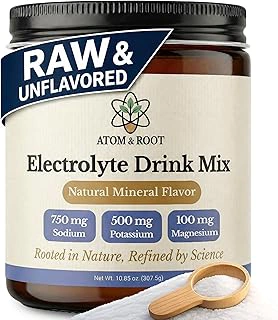
Raw & Unflavored Electrolytes Powder - Natural Fasting Salts
For users who want maximum purity and complete control over flavor, this unflavored powder removes every variable except minerals. The formula contains no sweeteners - natural or otherwise - no flavoring agents, and no fillers, making it the simplest approach to electrolyte supplementation without any taste engineering.
This zero-calorie profile fits extended fasting protocols and strict ketogenic plans where even natural sweeteners might be unwelcome. You can dissolve it in plain water, add it to black coffee, stir it into bone broth, or mix it with your own flavored beverage without worrying about conflicting tastes or hidden ingredients. The flexibility lets you adjust both mineral intake and flavor independently, which matters when preferences change throughout the day or across different activities.
The tradeoff is straightforward: mineral salts taste like mineral salts. Without any sweetness or masking flavors, you'll notice a salty, slightly mineral taste that some people find unpleasant on its own. Pairing it with lemon water, herbal tea, or another flavored base usually solves the issue, but it does require an extra step compared to pre-flavored formulas.
At $39.95, the price sits in the mid-range for electrolyte powders that avoid all additives. The 4.5/5 rating reflects strong satisfaction among users who prioritize ingredient simplicity over convenience. If you're committed to avoiding any form of sweetener and don't mind managing taste yourself, this delivers the cleanest mineral blend without compromise.
- ✅ No sweeteners, flavors, or fillers of any kind
- ✅ Zero-calorie formula suitable for fasting and strict keto
- ✅ Full flexibility to add to any beverage or recipe
- ✅ Clean mineral profile without taste engineering
- ⚠️ Plain mineral taste requires pairing with flavored liquids
- ⚠️ No convenience of pre-flavored options
- ⚠️ Mid-range price point at $39.95
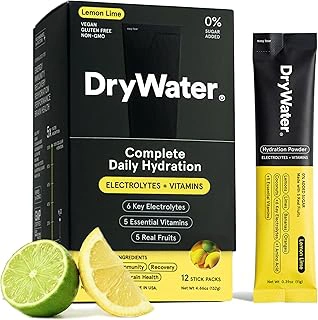
DryWater® Electrolyte + Vitamin Hydration Powder Packets – Lemon Lime, 1,000mg Potassium, Real Organic Fruit, NSF Certified for Sport, Nothing Artificial, No Added Sugar (12 Stick Packs)
Competitive athletes and frequent travelers often need a portable electrolyte option that meets strict anti-doping standards. DryWater® Electrolyte + Vitamin Hydration Powder delivers 1,000 mg of potassium per serving - one of the highest doses in this comparison - alongside NSF Certified for Sport status, which means every batch is tested for over multiple banned substances by an independent third party.
Each stick pack is flavored with real organic fruit rather than stevia, monk fruit, or added sugar. The lemon lime profile comes from dried fruit powder, which provides a mild sweetness and light citrus notes without the intense tang of some high-dose potassium formulas. The individual tear-open packets fit into a gym bag pocket or carry-on, and you can mix one in a standard water bottle without measuring scoops or tools.
At $26.99 for 12 servings, the cost per stick is multiple, which sits above unflavored bulk powders but reflects the NSF testing program and single-serve packaging. The 4.2/5 rating indicates general satisfaction, though a few users mention the organic fruit flavor is subtler than conventional sweetened mixes. If you prefer bold taste, this may feel understated; if you want clean ingredients and portability over flavor intensity, the trade-off works.
Compare this to the unflavored bulk option in product one: you gain convenience, higher potassium, and third-party sport certification but give up the ability to customize flavor and adjust serving size. For athletes subject to drug testing or anyone who trains away from home frequently, the NSF seal and stick-pack format justify the premium. For everyday hydration at your desk, a larger canister will stretch further.
- ✅ 1,000 mg potassium per serving
- ✅ NSF Certified for Sport - tested for 270+ banned substances
- ✅ Real organic fruit for flavor, no added sugar or synthetic sweeteners
- ✅ Stick packs fit easily into bags and pockets
- ⚠️ $2.25 per serving is higher than bulk formats
- ⚠️ Organic fruit flavor is milder than intensely sweetened alternatives
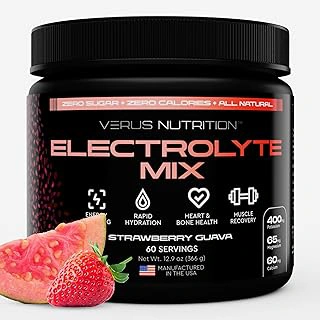
Zero Calorie Electrolytes Powder - Strawberry Guava
Users who want zero-calorie hydration without artificial sweeteners often face a tradeoff between taste and tolerability. This strawberry guava powder earns a 5.0/5 rating at $29.99 by using natural sweeteners that deliver flavor without the metallic aftertaste some stevia-only blends leave behind.
The strawberry guava profile offers a tropical alternative to standard citrus or berry electrolyte mixes. That flavor balance matters when you're drinking multiple servings daily - palatability drives consistency, and consistent use supports steady hydration habits during training, travel, or heat exposure.
Zero-calorie formulations rely on non-nutritive sweeteners to mask the mineral salts' inherent Zero Calorie Electrolytes Powder - Strawberry Guava. This product avoids sucralose, aspartame, and acesulfame-K, making it suitable for users who prefer plant-derived sweetener options or experience digestive sensitivity to synthetic compounds.
The price point sits in the mid-range for naturally sweetened electrolyte powders. You'll typically get fewer servings per container compared to bulk unflavored mixes, but the enhanced taste makes it easier to maintain daily intake without flavor fatigue. That's a practical exchange if you've abandoned other supplements because the taste became a barrier.
If you prioritize cost per serving above all else, unflavored bulk options will stretch further. If you need maximum mineral concentration for endurance events lasting multiple hours, check sodium and potassium totals per serving to confirm they match your sweat loss. This powder works best for routine hydration where taste and clean ingredients matter as much as electrolyte delivery.
- ✅ 5.0/5 rating reflects strong user satisfaction
- ✅ Natural sweeteners without sucralose or aspartame
- ✅ Strawberry guava flavor reduces monotony in daily hydration
- ✅ $29.99 price balances quality and accessibility
- ⚠️ Fewer servings per container than bulk unflavored alternatives
- ⚠️ Mid-range cost may not suit users prioritizing lowest price per serving
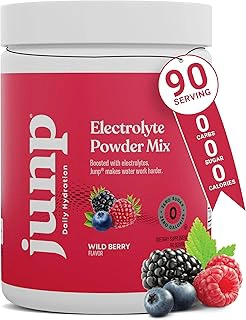
JUNP Keto Electrolyte Drink Mix - Wild Berry Fruit Flavor
Users who find unflavored electrolyte powders too bland or struggle to drink plain water will appreciate the wild berry profile in this keto-focused formula. JUNP Keto Electrolyte Drink Mix delivers a fruit-forward flavor that bridges the gap between clean ingredient lists and the taste familiarity of conventional sports drinks, without relying on sucralose or aspartame.
The formula is built for users following low-carb or ketogenic diets, maintaining zero impact on blood sugar while replenishing sodium, potassium, and magnesium. This makes it suitable for daily hydration when transitioning away from artificially sweetened beverages, especially during the adaptation phase when plain water feels monotonous.
At $29.95, the cost per serving runs slightly higher than unflavored options or single-mineral blends, but the tradeoff buys palatability for users who need flavor to stay consistent with their hydration routine. The 4.2 out of 5 rating reflects strong user satisfaction with taste, though individual sweetness preferences will always vary.
This mix works best when taste is the primary barrier to adequate electrolyte intake. If you already tolerate unflavored powders or prefer to control sweetness by adding your own fruit, simpler formulas will offer better value. But for users who need a clean sweetener profile packaged in a berry flavor that feels like a treat rather than a chore, this formula removes a common friction point in daily hydration.
- ✅ Wild berry flavor appeals to users transitioning from artificially sweetened drinks
- ✅ Keto-friendly formulation with zero blood sugar impact
- ✅ 4.2/5 rating indicates strong user satisfaction with taste
- ⚠️ $29.95 price point runs higher than unflavored alternatives
- ⚠️ Flavor-forward formulas may not suit users preferring to control their own sweetness
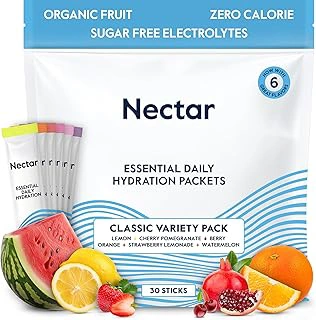
Nectar Electrolytes Powder Hydration Packets - Variety 30 Pack
Nectar Electrolytes Powder Hydration Packets ship in a 30-serving variety pack that addresses a common problem: buying a full tub of one flavor before knowing whether you like it. The format spreads testing risk across multiple flavor options, letting you identify favorites before committing to a larger purchase.
The formula is built for zero-calorie, zero-carb mineral support, which makes it useful for anyone tracking strict ketogenic macros or maintaining a fasted state. Unlike unflavored options that some users find difficult to drink consistently, this variety pack adds light flavoring to improve palatability during fasting windows when plain salted water becomes monotonous. The formulation uses natural sweeteners rather than sucralose, aspartame, or acesulfame-K, keeping the ingredient list aligned with clean supplement criteria.
At $29.90 for 30 single-serve packets, the price works out to roughly the listed amount per serving, which sits in a similar range to bulk unflavored powders when portion size is accounted for. The stick-packet design fits easily into bags or pockets, useful for intermittent fasters who want mineral replacement available throughout the day without carrying tubs or scoops.
The product holds a 4.3 out of 5 rating. Individual packets prevent oxidation and clumping that can happen with frequently opened containers, and the pre-measured format removes guesswork around serving size. The variety approach works best for people who prioritize flavor rotation or want to sample different taste profiles before scaling up to single-flavor bulk purchases.
If you prefer no flavor at all and want maximum control over mineral dosing, an unflavored powder may suit your routine better. If you want flavored hydration without breaking a fast or exceeding carb limits, the variety pack delivers consistent zero-calorie mineral support across multiple taste options.
- ✅ 30-packet variety format reduces commitment risk before choosing a single flavor
- ✅ Zero-calorie, zero-carb formulation maintains fasted state and ketogenic macros
- ✅ Single-serve packets stay portable and eliminate measuring or clumping issues
- ✅ Natural sweeteners replace artificial options like sucralose and aspartame
- ⚠️ Per-serving cost near $1 runs higher than some bulk unflavored powders
- ⚠️ Fixed variety selection means you may receive flavors you don't prefer