We may earn a commission when you buy through links on this page, at no extra cost to you. How this works.
Microcurrent devices deliver low-level electrical currents to facial muscles, and choosing the right one depends on how each tool balances waveform technology, feature set, and usability. The core distinction lies in waveform type: some devices use basic single-frequency microcurrent, while others employ alternating or modulated waveforms designed to work with the skin's natural conductivity. Voltage range matters because higher settings offer more intensity for experienced users, while lower ranges suit beginners or sensitive skin.
Feature integration varies widely. Single-purpose microcurrent tools focus entirely on muscle stimulation through conductive probes or spheres, requiring a conductive gel to maintain current flow. Multi-function devices add red light therapy, thermal heating, or cooling elements, which increase convenience but also complexity and cost. Mode customization - adjustable intensity levels, timed programs, or targeted area settings - affects how precisely you can tailor each session to your face shape and tolerance.
Conductive gel is a recurring requirement across most devices. Without it, the electrical current cannot pass efficiently into the skin, so budget and routine should account for ongoing gel purchases. Some tools include starter gel; others do not. Price-to-performance ratios reflect these trade-offs: professional-grade single-purpose devices often cost more but deliver consistent, focused microcurrent. Multi-function models may offer broader benefits at mid-range prices, though each added feature introduces learning time and maintenance steps.
This guide evaluates devices across these criteria, explaining which design choices suit different priorities - whether you value simplicity and focused muscle toning, or prefer a device that combines microcurrent with complementary skin treatments in one tool.
How to Choose the Right Microcurrent Device for Your Needs
- Determine your priority: single-purpose professional-grade toning or multi-function versatility
- Compare waveform technology: tri-wave for advanced users, single-wave for simplicity
- Evaluate included accessories: probes, masks, and conductive gel versus separate purchases
- Consider mode customization: more modes offer flexibility but increase learning curve
- Check for red light integration if you want combined therapy modalities
- Factor in ongoing costs: conductive gel replenishment and any replacement probes
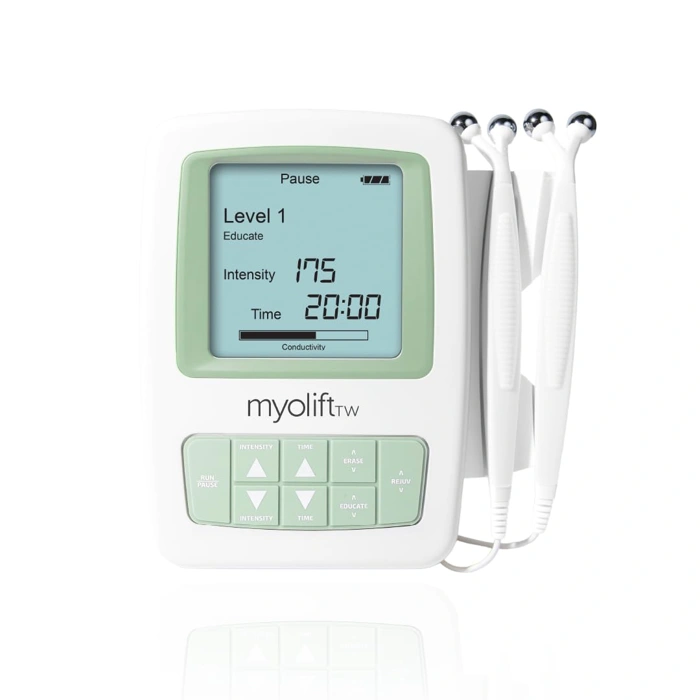
7e Wellness MyoLift TriWave Microcurrent Facial Device for Face Lifting & Toning with Conductive Gel, Probes, Masks – 3-Wave Technology for Skin Firming, Smoothing & Circulation - Face & Neck Care
The 7e Wellness MyoLift TriWave is a premium microcurrent device priced at $695, delivering three distinct waveforms designed to address different facial tissue layers. Unlike single-waveform devices, the tri-wave system combines pulse patterns for muscle stimulation, circulation support, and surface-level skin smoothing in one session.
The kit includes conductive gel, handheld probes, and reusable masks, eliminating the need for separate accessory purchases. The probes allow precise control over targeted areas like the jawline and brow, while the masks offer hands-free treatment for broader zones such as the cheeks and forehead. This accessory range brings the device closer to professional spa equipment in terms of versatility, though users must commit time to learning each attachment's optimal placement and pressure.
The three waveforms operate at different frequencies and intensities. This layered approach aims to engage muscle fibers at varying depths, but it also makes the device more complex to master compared to simpler two-probe models. Users comfortable with multi-step skincare routines and willing to experiment with intensity settings will find more customization here than entry-level options provide.
At $695, the MyoLift TriWave sits at the higher end of the at-home microcurrent market. The price reflects the tri-wave technology, the included accessory kit, and the device's alignment with professional-grade feature sets. For users prioritizing depth of treatment options and a comprehensive out-of-box experience, the investment trades upfront cost for long-term accessory flexibility. Budget-conscious buyers or those new to microcurrent may prefer starting with a simpler device to gauge their commitment before upgrading.
The device requires consistent use and proper conductive medium application to maintain effective current delivery. Users should expect a learning curve as they identify which waveforms and attachments suit their facial structure and goals. The MyoLift TriWave is best suited for individuals seeking a feature-rich, customizable microcurrent experience who value the option to switch between probes and masks depending on the session's focus.
- ✅ Three distinct waveforms for layered facial treatment
- ✅ Includes conductive gel, probes, and reusable masks in kit
- ✅ Hands-free mask option for broader treatment areas
- ✅ Handheld probes allow precise targeting of jawline and brow
- ⚠️ $695 price point is steep for at-home microcurrent newcomers
- ⚠️ Multi-waveform system requires learning curve and experimentation
- ⚠️ More complex to master than single-waveform devices
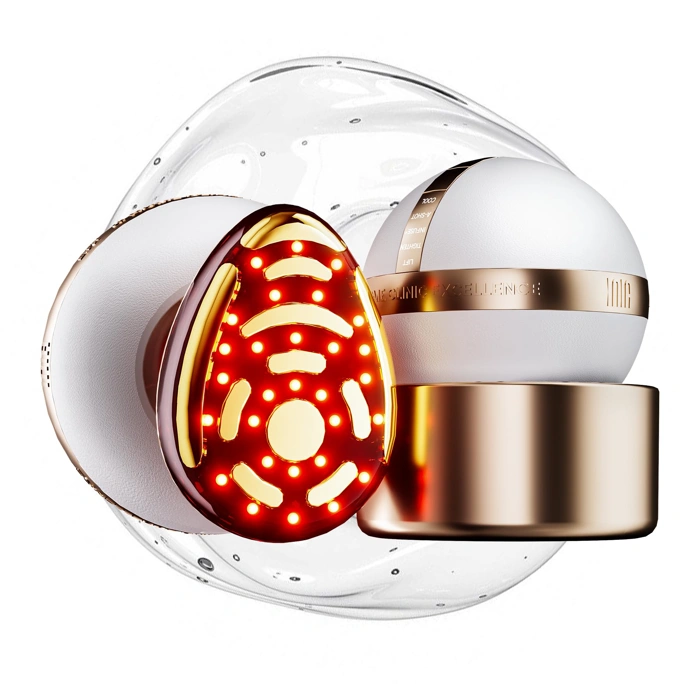
INIA SPHERA Upgraded 8-in-1 Microcurrent Facial Device for Face & Neck – Red Light, Thermal & Cooling Beauty Tool, 5 Custom Modes, At-Home Skin Stimulation & Glow Care Skincare Tool
The INIA SPHERA Upgraded 8-in-1 Microcurrent Facial Device combines microcurrent stimulation with red light therapy, thermal warming, and cooling functions across 5 custom modes. Priced at $179.99, it positions itself as a multi-modality option for users who want to experiment with different skin care technologies in a single device.
This device includes microcurrent for facial toning alongside red light therapy, which can be used separately or combined depending on the selected mode. The thermal function warms the skin to aid product absorption, while the cooling mode is designed for soothing application after treatment. All modes are accessible through the device's control interface, allowing you to switch between modalities during a session.
The 8-in-1 designation reflects the ability to layer these technologies - microcurrent intensity levels, red light activation, temperature settings, and mode combinations - rather than eight separate devices. The 5 custom modes offer pre-set combinations suited for different routines: some emphasize toning with microcurrent, others focus on red light exposure, and hybrid modes blend warming or cooling with stimulation.
Because the INIA SPHERA integrates multiple functions, each modality may be less specialized than a device dedicated solely to microcurrent or red light therapy. Users seeking maximum microcurrent intensity or clinical-grade red light wavelengths may prefer single-purpose tools. However, for those who value flexibility and want to explore how different technologies work together - or who lack space for multiple devices - this approach offers practical versatility.
The device is designed for use on both face and neck, with a contoured head that adapts to different facial zones. At 4.6 out of 5 stars on Amazon, user feedback suggests reliable performance across its feature set, though the breadth of options may require a learning period to identify which modes suit your skin and routine best.
Best for experimental optimizers who want to combine microcurrent toning with complementary modalities like red light and thermal therapy, and who prioritize variety over deep specialization in any single function.
- ✅ Combines microcurrent, red light, thermal, and cooling in one device
- ✅ 5 custom modes allow flexible routine customization
- ✅ Priced at $179.99 for multi-modality access
- ✅ Designed for both face and neck use
- ⚠️ Broader feature set may mean less specialization than dedicated devices
- ⚠️ Multiple modes require experimentation to identify best fit
- ⚠️ Microcurrent intensity may be lower than single-purpose tools
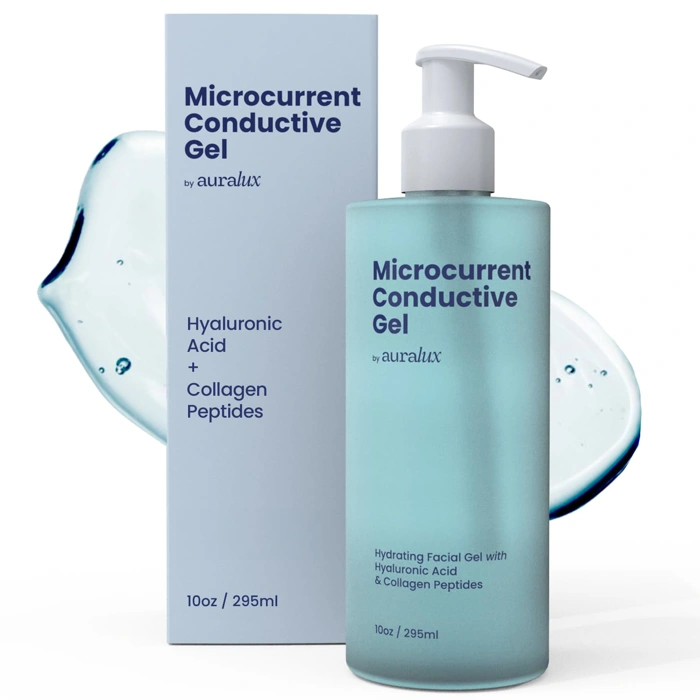
10oz Conductive Gel for Microcurrent Devices
Microcurrent devices rely on consistent skin contact to deliver their electrical signals effectively. A water-based conductive gel bridges the gap between device and skin, ensuring current flows smoothly rather than dissipating across dry or uneven surfaces. Without proper conduction, the device may feel less responsive or deliver inconsistent results.
This 10oz conductive gel is designed specifically for microcurrent and electrical facial devices. The water-based formula spreads easily, creates the slick surface needed for metal probes to glide without dragging, and washes off cleanly after each session. At $14.99 for the listed size, cost-per-use will depend on how liberally you apply and how often you use your device - most users find a bottle lasts several weeks with regular facial treatments.
Gel replenishment is an ongoing consideration. Unlike one-time device purchases, conductive gel becomes a recurring expense. Some users apply a thin layer and reapply as needed during treatment; others prefer generous coverage to avoid interruption. Either approach works as long as the gel remains wet and maintains contact between probe and skin throughout the session.
If you're adding a microcurrent device to your routine, plan to keep conductive gel on hand. Running out mid-session or attempting to substitute with products not designed for electrical conduction can compromise both comfort and effectiveness. This bottle provides a straightforward, device-compatible solution that supports consistent treatment quality.
- ✅ Water-based formula spreads easily and rinses clean
- ✅ Ensures consistent electrical contact between device and skin
- ✅ 10oz size provides multiple weeks of regular use
- ⚠️ Ongoing replenishment adds recurring cost to microcurrent routine
- ⚠️ Bottle may run out quickly if applied generously
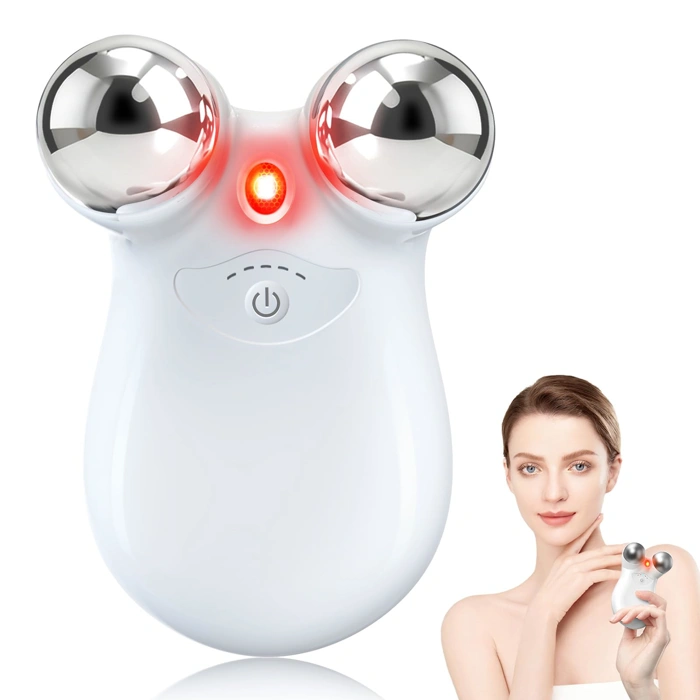
2-in-1 Red Light Microcurrent Facial Device Model EP-300
The 2-in-1 Red Light Microcurrent Facial Device Model EP-300 combines red light and microcurrent technology in a single handheld device priced at $45.98. This pairing allows users to address both surface-level skin appearance and underlying facial muscle tone without purchasing separate tools.
The device operates with straightforward controls suited to first-time microcurrent users. You glide the conductive surfaces along clean skin, typically after applying a water-based serum or gel to maintain conductivity. The red light component works simultaneously with the microcurrent output, though the unit does not disclose specific wavelength, intensity, or waveform specifications.
At this price point, the EP-300 trades advanced features for accessibility. It lacks multiple intensity levels, programmable treatment modes, or the sophisticated waveform technology found in devices three to ten times its cost. The simpler interface means fewer customization options but also a shorter learning curve for beginners unfamiliar with microcurrent protocols.
The compact form factor fits easily in a bathroom drawer or travel bag. Build quality reflects the entry-level positioning - functional but not premium in materials or construction. Users testing whether microcurrent fits their skincare routine will find this device a low-risk introduction, while those seeking targeted muscle group protocols or clinical-grade output may quickly outgrow its capabilities.
The 4.5/5 rating suggests general satisfaction among users with modest expectations. The device suits straightforward toning goals and short, routine sessions rather than intensive, outcome-driven protocols. For buyers prioritizing experimentation over long-term commitment, the EP-300 delivers dual functionality at a fraction of the cost of specialized microcurrent tools.
- ✅ Combines red light and microcurrent in one device
- ✅ Accessible $45.98 price point for beginners
- ✅ Simple controls with minimal learning curve
- ✅ Compact and travel-friendly design
- ✅ 4.5/5 user rating
- ⚠️ No disclosed waveform or wavelength specifications
- ⚠️ Lacks multiple intensity levels or treatment modes
- ⚠️ Entry-level build quality and materials
- ⚠️ Limited customization for advanced users
What Is Microcurrent Technology and How Does It Work?
Microcurrent technology uses low-level electrical current - typically measured in microamperes - that operates below the threshold of sensation. These devices deliver gentle electrical signals designed to mimic the body's natural bioelectrical communication between cells.
The current flows between two contact points, usually handheld probes or conductive surfaces on the device, creating a circuit through the tissue. As the current moves through facial muscles, it produces a subtle stimulation that engages muscle fibers without the visible contraction you'd experience with higher-intensity electrical muscle stimulation (EMS).
Waveform patterns determine how the current is delivered. Single-waveform devices produce one consistent pattern of electrical pulses. Dual-waveform models alternate between two different patterns, adding variation to the stimulation. Tri-wave technology cycles through three distinct waveforms, offering the most complex stimulation sequence.
The key distinction between microcurrent and surface-only treatments lies in depth and mechanism. Surface treatments like LED therapy or topical serums work at the skin level, while microcurrent current travels through the tissue to reach the muscular layer beneath. This depth of reach is what separates conductive electrical technology from cosmetic products that sit on the skin's surface.
Intensity levels, measured in microamperes, typically range from 100 to 500 μA across consumer devices. Lower intensities suit sensitive skin or beginners, while higher ranges provide stronger stimulation for users who have built tolerance. Adjustability matters because facial muscle density, skin thickness, and individual sensitivity vary widely.
Conductivity also plays a role in effectiveness. Most devices require a water-based conductive gel to facilitate current flow between the device and skin. Without proper conductivity, the current disperses unevenly or fails to penetrate adequately, reducing the consistency of the stimulation pattern.
Understanding these technical foundations - current strength, waveform complexity, and conductivity requirements - helps clarify why devices at different price points perform differently and why proper technique matters as much as the device itself.
Key Benefits of Using an At-Home Microcurrent Device
Microcurrent devices use low-level electrical currents to engage facial muscles, offering a range of benefits when used consistently as part of an at-home skincare routine. Understanding what these devices can realistically deliver helps set appropriate expectations and guides effective use.
One of the primary benefits is improved facial muscle tone. Microcurrent stimulation causes gentle muscle contractions similar to those during exercise, which can help maintain firmness and definition in the face and neck over time. Devices that offer adjustable intensity levels allow users to gradually increase stimulation as muscles adapt, supporting progressive toning without discomfort.
Enhanced product absorption is another advantage. The electrical current temporarily increases cellular activity and circulation in the treatment area, which can help conductive gels and serums penetrate more effectively. This is why most microcurrent devices require a water-based conductive gel during use - the gel completes the electrical circuit while delivering hydration and active ingredients to the skin.
Increased circulation is a natural byproduct of microcurrent therapy. The gentle electrical stimulation encourages blood flow to facial tissues, which can contribute to a brighter, more refreshed appearance immediately after treatment. This effect is temporary but becomes more noticeable with regular use as part of a consistent routine.
Visible firmness develops gradually with consistent application. Most users begin to notice subtle improvements in skin texture and contour after four to six weeks of regular use, typically three to five times per week. The results are cumulative rather than instant, and ongoing maintenance sessions help preserve the benefits.
Waveform technology plays a role in comfort and effectiveness. Devices with true microcurrent waveforms deliver smooth, continuous stimulation that feels gentle on the skin, while those with modified or pulsed waveforms may produce a more noticeable tingling sensation. Neither approach is inherently superior, but individual comfort varies, and some users prefer the subtler feel of traditional microcurrent waveforms.
Mode options on advanced devices allow users to target specific concerns. Some models include dedicated settings for lifting, toning, or energizing, each using different current patterns or intensities. These modes provide structure for users who want guided routines but are not essential for achieving basic toning benefits.
The usability of microcurrent devices makes them accessible for home use. Most sessions take 10 to 20 minutes, fitting easily into morning or evening routines. Cordless models with rechargeable batteries offer the most flexibility, while corded devices eliminate the need to monitor battery life during longer sessions.
It's important to note that microcurrent devices support facial muscle engagement and circulation but are not medical devices and do not treat, heal, or cure skin conditions. Results depend on consistent use, proper technique, and realistic expectations. The benefits are cosmetic and related to muscle tone, hydration, and temporary circulation rather than permanent structural changes.
Tips for Getting the Most Out of Your Microcurrent Treatments
Getting consistent results from microcurrent treatments relies on routine, proper technique, and realistic expectations. Unlike professional treatments, at-home devices require steady commitment and attention to detail - but the mechanics are straightforward once you understand the basics.
Start with clean, dry skin. Remove all makeup, oils, and residue before applying conductive gel. Microcurrent relies on electrical conductivity to deliver the signal through your skin to the underlying muscles. Without adequate gel coverage, the current cannot travel effectively, and you'll feel uneven contact or see inconsistent results. Apply a generous layer - enough that the device glides smoothly without dragging or losing contact.
Use slow, deliberate upward and outward motions. Microcurrent works by stimulating muscle contractions, so the direction you move the device matters. Lifting motions along the jawline, cheekbones, and brow line follow the natural contours of facial muscles and help reinforce an upward toning pattern. Avoid rushing; each pass should take several seconds to allow the current to engage the muscle.
Consistency matters more than intensity. Most devices are designed for use three to five times per week. Results build gradually as muscles respond to repeated stimulation over time. Using the device daily won't necessarily accelerate results, and skipping weeks will slow visible progress. Think of it like any other muscle-toning routine - regular, moderate sessions outperform sporadic, aggressive use.
Set a realistic timeline. Microcurrent is not an instant fix. Most users begin noticing subtle changes in firmness and contour around four weeks, with more visible toning appearing between six and eight weeks. Results depend on your skin's condition, age, and how consistently you follow the recommended schedule. If you don't see dramatic change in the first week, that's normal - microcurrent builds cumulative effect.
Keep your device clean and your gel fresh. Wipe the contacts after each use to remove gel residue and prevent buildup that can interfere with conductivity. Replace conductive gel as needed; dried-out or contaminated gel won't conduct current properly. Store your device in a cool, dry place to protect the electronics and prolong battery life.
Finally, manage your expectations. Microcurrent can improve muscle tone, firmness, and contour, but it won't replicate surgical results or reverse significant sagging. It's a maintenance and enhancement tool, not a replacement for professional interventions. Used correctly and consistently, it offers a practical, low-risk option for at-home facial toning.
Are Microcurrent Devices Safe? What You Need to Know
Microcurrent devices for at-home use operate at very low electrical current levels, typically measured in microamps, which is far below the threshold that would cause pain or muscle contraction. This makes them generally considered low-risk for most healthy adults when used according to manufacturer instructions.
Many at-home microcurrent devices are registered with the FDA for cosmetic use, though registration does not constitute medical endorsement or guarantee of specific results. The technology delivers gentle electrical stimulation to facial muscles and tissue, and when used properly, the sensation is usually mild or imperceptible.
However, microcurrent devices are not suitable for everyone. Common contraindications include active pacemakers or other electronic implanted devices, pregnancy, epilepsy, and metal implants or plates in the treatment area. People with these conditions should avoid microcurrent devices entirely, as the electrical current may interfere with medical devices or pose other risks.
Other situations that warrant caution include active skin infections, open wounds, severe acne, recent facial surgery, or diagnosed heart conditions. If you have any underlying health concerns or medical conditions, consult with a healthcare professional before beginning microcurrent treatments.
For most users without contraindications, the primary safety considerations are straightforward: always use the device with a conductive gel or serum as directed, avoid sensitive areas like the eyes and throat unless specifically instructed, start with lower intensity settings, and discontinue use if you experience discomfort, irritation, or unusual sensations.
Keep in mind that at-home microcurrent devices are designed for cosmetic purposes related to facial toning and are not intended to diagnose, treat, or prevent any medical condition. The information here is educational context, not medical advice tailored to your individual situation.
Final Recommendation: Which Microcurrent Device Is Right for You?
Choosing the right microcurrent device depends on your experience level, feature priorities, and budget. Each of the three devices we've examined addresses different user needs, making the decision straightforward once you clarify what matters most.
The MyoLift TriWave is the best choice for users who want professional-grade tri-wave technology and a complete accessory set out of the box. Its three distinct waveforms - myopulse, neurotone, and bio-ultimate - offer targeted approaches to facial toning, and the included conductive gel, gloves, and carrying case eliminate the need for additional purchases. This device suits those willing to invest in a higher-end tool with advanced waveform options and comprehensive support materials.
The INIA SPHERA appeals to multi-modality enthusiasts who value versatility and higher user ratings. Combining microcurrent with LED therapy and EMS modes, it provides flexibility for users who want to experiment with different facial toning approaches in a single device. Its strong customer feedback and broader feature set make it a solid pick for those who prioritize options and positive user experiences over single-modality focus.
For budget-conscious beginners testing microcurrent for the first time, the EP-300 offers an accessible entry point. While it lacks the advanced waveforms and accessory bundles of higher-priced models, it delivers basic microcurrent functionality at a lower price. This device suits users who want to explore facial toning without committing to a significant upfront investment, accepting that fewer features and lower intensity settings come with the lower cost.
Regardless of which device you choose, plan to purchase conductive gel as a necessary add-on. All three devices require gel for proper electrode contact and consistent current delivery, so factor this recurring expense into your total cost of ownership. Prioritize your budget, desired feature depth, and comfort with technology to identify the device that aligns with your specific facial toning goals.