We may earn a commission when you buy through links on this page, at no extra cost to you. How this works.
Magnesium L Threonate, Magtein - NSF Certified - Sleep and Cognitive Support – High Absorption – Most Bioavailable Form of Magnesium – 2,000 mg – 120 Capsules
Compare absorption, brain penetration, and calming effects to pick the magnesium form that fits your needs.
Magnesium supplements appear identical on the label, but the molecule attached to magnesium - called a chelate - determines where it travels in your body and which benefits you experience. Threonate and glycinate represent two distinct approaches: threonate was developed specifically to cross the blood-brain barrier for cognitive support, while glycinate pairs magnesium with the calming amino acid glycine to support sleep quality and reduce anxiety without digestive upset.
The threonate form delivers magnesium directly to brain tissue, which makes it the focus of studies on memory, learning, and age-related cognitive decline. Glycinate, by contrast, does not prioritize brain penetration. Instead, it combines high absorption with a soothing effect on the nervous system, making it the preferred choice when your goal is better sleep, reduced muscle tension, or relief from anxious thoughts at night.
Absorption rates differ as well. Glycinate is one of the most bioavailable forms, meaning your body can use a higher percentage of each dose without laxative effects that plague cheaper magnesium salts like oxide or citrate. Threonate also absorbs well, but its structure is larger and more expensive to produce, which explains the price gap you'll see on store shelves.
Choosing between them comes down to your primary need. If you struggle with focus, memory lapses, or brain fog, threonate's ability to raise magnesium levels in the brain gives it a clear advantage. If your concern is falling asleep, staying asleep, or calming a racing mind before bed, glycinate's dual action - magnesium plus glycine - targets those issues more directly. Some people use threonate in the morning for cognitive support and glycinate in the evening for sleep, but that approach increases cost and complexity.
Digestive tolerance matters, especially if you've had trouble with magnesium supplements in the past. Glycinate rarely causes loose stools, even at higher doses, because the amino acid chelate protects the mineral as it moves through your intestines. Threonate is also gentle, though its larger molecular size means you need a higher total dose to deliver the same amount of elemental magnesium, which can add up in pill count.
Understanding these structural differences clarifies why one form works for sleep while the other supports memory and focus. The right match depends on whether you need magnesium in your brain or in your muscles and nervous system at large.
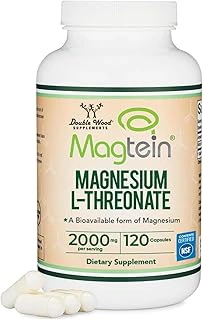
Magnesium L Threonate, Magtein - NSF Certified - Sleep and Cognitive Support – High Absorption – Most Bioavailable Form of Magnesium – 2,000 mg – 120 Capsules
This NSF-certified magnesium L-threonate supplement uses Magtein, a branded form studied for its ability to cross the blood-brain barrier. Each serving delivers 2,000 mg of magnesium L-threonate, yielding approximately the listed dose of elemental magnesium - a modest dose compared to other magnesium forms, but the focus here is brain penetration rather than high elemental content. The 120-capsule bottle provides a multi-day supply at the standard four-capsule daily serving.
NSF certification offers third-party verification of ingredient quality and label accuracy, which adds confidence for users prioritizing transparency. The Magtein branding distinguishes this product from generic threonate formulas, as Magtein is the patented form used in most cognitive research on this magnesium type. If your goal centers on mental clarity, focus, or supporting brain health as you age, the threonate form's unique penetration profile makes it a logical choice over glycinate, which excels at calming and sleep but does not concentrate in brain tissue the same way.
The 2,000 mg dose is split across multiple capsules, so swallowing four per day may feel less convenient than single-capsule options. The price sits at $29.95, which translates to about one dollar per day - higher per milligram of elemental magnesium than glycinate or citrate, but reasonable given the specialized form and certification. Users report steady improvements in focus and sleep quality over several weeks rather than immediate effects, so patience is necessary.
This product fits best when cognitive support is the priority and you're comfortable with a moderate elemental magnesium dose. If you need higher elemental magnesium for muscle relaxation or general deficiency, glycinate or citrate will deliver more magnesium per serving at a lower cost. The threonate form trades elemental quantity for targeted brain access, making it a strategic pick for memory, learning, and mental sharpness rather than broad-spectrum magnesium supplementation.
- ✅ NSF-certified for third-party quality verification
- ✅ Uses patented Magtein magnesium L-threonate
- ✅ Designed for brain penetration and cognitive support
- ✅ 120-capsule supply provides one month at standard dose
- ⚠️ Four-capsule daily serving may be inconvenient
- ⚠️ Lower elemental magnesium per dollar than glycinate or citrate
- ⚠️ Effects build gradually over weeks, not immediately
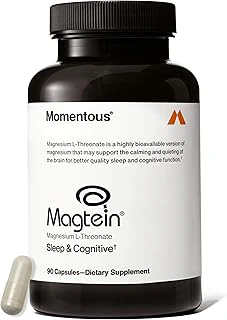
Momentous Magtein Magnesium L-Threonate - Brain & Rest Support Supplement - Boosts Cognitive Function & Sleep Quality - NSF Certified for Sport -145 mg - 30 Servings
Momentous Magtein Magnesium L-Threonate delivers 145 mg of elemental magnesium per serving in the threonate form, packaged as a 30-serving container priced at $49.95. This product carries NSF Certified for Sport designation, which means it has been tested for banned substances and label accuracy - a feature that matters to competitive athletes and anyone who values third-party verification.
The threonate form is designed to cross the blood-brain barrier more effectively than other magnesium types, making it a fit for users prioritizing cognitive function alongside rest support. Each serving provides a moderate dose that sits below the upper intake limit, leaving room for dietary magnesium without stacking risk.
With a 4.6 out of 5 rating, this supplement balances quality and dosage in a straightforward capsule format. The price point reflects the NSF certification and the use of Magtein, a patented magnesium L-threonate ingredient. If your goal is supporting both focus during the day and sleep quality at night, this form addresses both without requiring separate products.
The 30-serving supply translates to a month of daily use at the recommended dose. Because threonate is less commonly available than glycinate or citrate, Momentous offers a verified option for those who want the brain-focused benefits this form provides. The certification adds confidence for users who need transparent testing, particularly in athletic or performance contexts.
- ✅ NSF Certified for Sport with third-party testing
- ✅ 145 mg elemental magnesium per serving in threonate form
- ✅ Supports both cognitive function and sleep quality
- ✅ 4.6/5 rating from verified users
- ⚠️ $49.95 for 30 servings reflects premium pricing
- ⚠️ Lower elemental magnesium dose compared to glycinate options
What is Magnesium Threonate? The Brain-Targeted Form
Magnesium L-threonate is a chelated form in which magnesium binds to threonic acid, a metabolite of vitamin C. This specific molecular pairing allows the compound to cross the blood-brain barrier more effectively than most other magnesium forms, which tend to remain in systemic circulation without significant penetration into brain tissue.
The ability to reach the brain makes magnesium threonate distinct in its cognitive application. Where glycinate and citrate primarily support muscle relaxation, digestion, or general magnesium status, threonate delivers magnesium directly to neurons and synapses. This penetration supports synaptic density and neural signaling pathways tied to memory formation and cognitive processing.
Magtein is the patented, research-backed version of magnesium L-threonate used in published cognitive studies. Most of the clinical data on brain-targeted magnesium comes from trials using this specific formulation, which standardizes dosing and ensures the chelation process meets the structural requirements for effective blood-brain barrier crossing.
If your priority is cognitive function - attention, working memory, or mental clarity - magnesium threonate offers a unique mechanism that other forms do not replicate. Its brain-focused delivery makes it less versatile for general relaxation or digestive needs, but more targeted for neural support and daytime focus without sedation.
Benefits of Magnesium Threonate for Focus, Memory, and Cognitive Health
Magnesium threonate is the only magnesium compound shown to cross the blood-brain barrier efficiently, which makes it distinct when the goal is supporting cognitive function rather than muscle relaxation or sleep. Research on Magtein, the patented form of magnesium L-threonate, has focused on working memory, attention span, and executive function in both animal models and human trials.
Studies suggest that magnesium threonate may support synaptic density - the number of connections between neurons - which plays a role in learning capacity and memory formation. One human trial found improvements in cognitive measures such as executive function and attention in adults who supplemented with magnesium L-threonate over 12 weeks. Animal research has shown increases in synaptic plasticity, the brain's ability to form and reorganize connections in response to new information.
This form is not typically chosen for calming effects or as a sleep aid. While magnesium in general supports nervous system function, threonate's primary appeal lies in its ability to elevate magnesium levels in the brain tissue itself, not simply in the bloodstream or muscles. That distinction matters if you're comparing it to glycinate, which supports relaxation and sleep more directly but does not concentrate in the central nervous system to the same degree.
Magnesium threonate is often used by people looking to support focus during demanding cognitive work, manage age-related memory concerns, or complement other strategies for maintaining brain health. It does not produce immediate effects like a stimulant; changes in memory and attention typically emerge over weeks of consistent use. The tradeoff is cost and availability - threonate supplements are generally more expensive than glycinate and may require higher capsule counts per serving to reach effective doses.
What is Magnesium Glycinate? The Calming, High-Absorption Form
Magnesium glycinate pairs magnesium with the amino acid glycine, creating a chelated form that the body absorbs efficiently. This binding process improves bioavailability compared to less stable forms like magnesium oxide, allowing more of the mineral to reach your bloodstream and cells without passing through unabsorbed.
Glycine itself acts as an inhibitory neurotransmitter, meaning it helps calm neural activity. When combined with magnesium, the result is a compound that supports relaxation and may ease tension without the digestive upset common to other magnesium supplements. Most users tolerate it well, even at higher doses, because the chelated structure is gentler on the gastrointestinal tract.
This form is often chosen for evening use because both magnesium and glycine can encourage a sense of calm before bed. It does not cross the blood-brain barrier as readily as magnesium threonate, so its effects are more systemic than brain-specific. If your goal is overall muscle relaxation, steady magnesium levels, or easing occasional restlessness, glycinate offers reliable absorption with minimal side effects.
The lack of laxative effect makes glycinate practical for daily supplementation. It fits well into routines focused on sustained comfort and relaxation rather than acute cognitive demands.
Benefits of Magnesium Glycinate for Sleep, Relaxation, and Anxiety
Magnesium glycinate pairs magnesium with glycine, an amino acid that influences neurotransmitter systems linked to calm and relaxation. Glycine acts on inhibitory receptors in the brain and spinal cord, supporting the activity of GABA - a neurotransmitter that reduces nerve excitability and promotes a quieter nervous system. This combination makes glycinate a practical choice when sleep quality and nighttime restlessness are the main concerns.
The form also supports physical relaxation. Magnesium itself plays a role in muscle function and the regulation of nerve signals, while glycine contributes to parasympathetic nervous system activity - the branch of the nervous system responsible for rest and recovery. People who experience physical tension, muscle tightness, or difficulty winding down at night often find glycinate helpful because it addresses both the neurological and muscular sides of relaxation.
Glycinate is commonly recommended for managing everyday stress and anxiety, particularly when those feelings interfere with falling asleep or staying asleep. It does not act as a sedative, so it won't force sleep or create grogginess. Instead, it helps ease the hyperarousal that keeps the body in a state of alertness. This makes it suitable for ongoing use without the concern of building tolerance or experiencing rebound effects.
Because glycine is well-tolerated and magnesium glycinate has high bioavailability, this form is less likely to cause digestive upset compared to magnesium oxide or citrate. That gentleness, combined with its calming properties, explains why glycinate is one of the most frequently suggested forms for people prioritizing sleep support, relaxation, and stress management over cognitive enhancement.
Head-to-Head Comparison: Bioavailability, Brain Penetration, and Target Benefits
When choosing between magnesium threonate and glycinate, the decision hinges on what you're trying to achieve and how much elemental magnesium you need. These two forms differ significantly in how they behave once they enter your body, where they concentrate, and which symptoms they address most effectively.
Magnesium threonate stands apart for its ability to cross the blood-brain barrier efficiently. This property allows it to raise magnesium levels in the brain more effectively than most other forms, making it the preferred choice for cognitive support, memory enhancement, and focus. Studies using the branded Magtein form have shown improvements in working memory and executive function, particularly in adults experiencing age-related cognitive decline. The tradeoff is that threonate provides less elemental magnesium per dose - typically around 50 to 72 mg per serving compared to glycinate's 100 to 200 mg. This lower yield, combined with patented formulations, makes threonate noticeably more expensive.
Glycinate, on the other hand, delivers higher elemental magnesium content and is chelated to the amino acid glycine, which has its own calming properties. This combination makes glycinate highly effective for promoting relaxation, reducing anxiety, and supporting deeper sleep. It's also gentler on the digestive system than oxide or citrate forms, with minimal laxative effect even at higher doses. Glycinate absorbs well and is a practical option for people addressing general magnesium deficiency alongside sleep or stress concerns. It doesn't target the brain as specifically as threonate, but its broader systemic benefits and better cost-per-milligram ratio make it a versatile daily supplement.
The absorption profiles reflect these differences. Threonate's unique structure prioritizes neurological delivery, while glycinate distributes magnesium more evenly throughout the body, supporting muscle relaxation, bone health, and metabolic function in addition to nervous system calm. If your primary goal is sharper cognition or supporting brain health as you age, threonate's targeted action justifies the higher cost. If you're managing stress, improving sleep quality, or correcting low magnesium levels, glycinate offers better value and a wider range of benefits.
Cost becomes a practical consideration over time. A month's supply of threonate often runs two to three times the price of glycinate, and because threonate provides less elemental magnesium, you may need additional magnesium from other sources if your diet falls short. Glycinate allows you to meet daily magnesium targets more affordably while still supporting relaxation and sleep. For most people addressing everyday stress and sleep concerns, glycinate delivers the right balance of effectiveness and practicality. Threonate becomes the logical choice when cognitive performance, memory retention, or brain-focused support is the specific priority.
How to Choose: Pick Threonate for Focus, Glycinate for Sleep
Selecting between magnesium threonate and glycinate depends on what you want to address first. If cognitive performance, memory retention, or mental clarity top your list, threonate's ability to cross the blood-brain barrier makes it the logical choice. Users focused on sleep quality, muscle relaxation, or managing daily tension will find glycinate's calming effect and gentle absorption more aligned with their needs.
Timing plays a practical role in your decision. Threonate offers flexibility - you can take it in the morning to support daytime focus or in the evening without disrupting sleep. Glycinate works best when taken an hour or two before bed, since its relaxing properties prepare the body for rest. If you struggle with both daytime brain fog and nighttime restlessness, this timing difference opens the door to using both forms on the same day.
Budget matters, especially for long-term use. Threonate typically costs more per serving due to its patented formulation and specialized manufacturing process. Glycinate remains more affordable while still delivering reliable magnesium absorption and calm. Weigh the premium against your primary goal - paying extra for cognitive support makes sense if focus is your this product, but sleep-focused users rarely need the added expense.
Some people run both forms in tandem: threonate in the morning for cognitive support, glycinate at night for restorative sleep. This approach covers two distinct needs without overlap or interference, though it does require careful attention to total magnesium intake to avoid exceeding the upper limit of 350 mg from supplements. Start with one form, assess your response over two to three weeks, then add the second only if a clear gap remains.
Dosage, Timing, and Potential Side Effects
Starting with the right dose and timing helps you get the benefits of either magnesium form without unnecessary side effects. Magnesium L-threonate is typically taken at 1,500 to 2,000 mg per day, which provides roughly 144 to 192 mg of elemental magnesium. Magnesium glycinate is usually dosed at 200 to 400 mg of elemental magnesium daily, depending on individual needs and existing dietary intake.
Timing matters. Magnesium L-threonate is often split into morning and early afternoon doses to support daytime focus and cognitive function. Magnesium glycinate works well in the evening, one to two hours before bed, because it encourages relaxation and steadier sleep without morning grogginess. Some people find taking glycinate with a light snack reduces any chance of stomach sensitivity.
Side effects are generally mild. Digestive discomfort - loose stools, mild cramping, or nausea - can occur if you take too much too quickly, especially on an empty stomach. Magnesium glycinate tends to be gentler on the gut than other forms, but individual tolerance varies. Drowsiness is possible with glycinate when taken during the day, which is why evening use is more common. Threonate rarely causes noticeable sedation, making daytime dosing practical.
Start low and increase gradually over a week or two. This gives your body time to adjust and helps you identify the amount that works without overdoing it. If you experience persistent digestive upset or unusual fatigue, pull back the dose or shift the timing. Individual response varies based on diet, stress levels, and how much magnesium you already get from food, so flexibility and observation are more useful than rigid dosing rules.
Optimizing Your Health with the Right Magnesium Form
Selecting the right magnesium supplement depends on the specific health outcome you want to support. Magnesium threonate and magnesium glycinate serve different purposes, and understanding these differences helps you make a more informed choice.
Threonate stands out for its ability to cross the blood-brain barrier effectively, making it the preferred option when cognitive function, memory support, or mental clarity are your primary goals. If you're looking to support brain health as you age or improve focus during demanding mental tasks, threonate's unique brain penetration offers a distinct advantage that other forms lack.
Glycinate excels in calming effects and sleep support because the glycine component has its own relaxation properties. When your main concern is falling asleep more easily, reducing nighttime restlessness, or managing stress-related tension, glycinate provides gentle support without the digestive discomfort that some magnesium forms can cause.
Absorption rates differ between the two forms, but both are considered highly bioavailable compared to cheaper options like magnesium oxide. Threonate's smaller molecular structure allows for better brain tissue uptake, while glycinate's amino acid chelation supports efficient absorption in the digestive tract.
Your choice should align with your primary health priority. Someone dealing with occasional brain fog and concentration challenges will likely benefit more from threonate, while someone struggling with sleep quality or feeling wound up at night may find glycinate more useful. Some people rotate between forms or take them at different times of day to address multiple concerns.
Dosage and timing also matter. Threonate is often taken earlier in the day to support cognitive performance, whereas glycinate works well in the evening to prepare the body for rest. Starting with the recommended dose on the product label and adjusting based on your response is a practical approach.
Before adding any new supplement to your routine, especially if you take medications or have existing health conditions, consulting with a healthcare provider ensures the choice fits your individual situation. Magnesium interacts with certain medications, and professional guidance helps you avoid potential conflicts while maximizing the benefit you receive from supplementation.