We may earn a commission when you buy through links on this page, at no extra cost to you. How this works.
Blueprint Bryan Johnson Ashwagandha & Rhodiola Supplement – 120mg Ashwagandha + Rhodiola Root – Daily Adaptogen Capsules for Stress Support, Mood Balance, Energy & Focus – 30 Vegan Capsules
Two adaptogens, different effects. Find which matches your stress pattern.
Work stress shows up in different forms - some people experience racing thoughts and tension that makes it hard to unwind, while others face mental fatigue and difficulty concentrating during the workday. Ashwagandha and rhodiola are both adaptogens, but they support the body's stress response in distinct ways, making the choice between them less about which is "better" and more about which matches your particular stress pattern.
Ashwagandha is recognized for its influence on cortisol and its calming properties, often used by people dealing with anxiety-driven stress or trouble relaxing after a demanding day. Rhodiola, on the other hand, is commonly chosen for its potential to support mental stamina and energy, particularly when stress manifests as burnout or mental fog rather than nervous tension.
The two adaptogens work through different pathways. Ashwagandha tends to have a more sedating effect for many users, which can be helpful in the evening but less ideal if taken early in the day when alertness is needed. Rhodiola is typically more stimulating and is often taken in the morning or early afternoon to support focus and reduce the perception of fatigue.
Some people find value in using both - ashwagandha in the evening to support relaxation and rhodiola in the morning for sustained energy - but this approach requires attention to how each feels individually before layering them together. Timing, dosage, and your specific stress symptoms all play a role in deciding whether one adaptogen is enough or whether a combined strategy makes sense. The sections that follow break down how each works, what the research suggests about their effects on stress markers, and which situations favor one over the other.
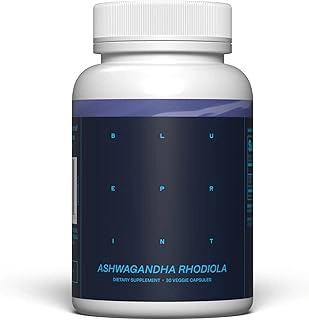
Blueprint Bryan Johnson Ashwagandha & Rhodiola Supplement – 120mg Ashwagandha + Rhodiola Root – Daily Adaptogen Capsules for Stress Support, Mood Balance, Energy & Focus – 30 Vegan Capsules
The Blueprint Bryan Johnson formula combines both adaptogens in a single vegan capsule, delivering 120 mg ashwagandha plus rhodiola root extract per serving. This approach simplifies supplementation for anyone exploring both herbs without managing two separate bottles, and the 30-capsule supply supports one month of daily use at the recommended single-capsule dose.
Bryan Johnson's reputation in the biohacking community adds brand credibility, though the ashwagandha dose sits well below typical dose range commonly used in clinical studies. Users seeking the full adaptogenic effect associated with standalone ashwagandha research may need to take multiple capsules, which shortens the 30-day supply and raises the effective cost per serving. The rhodiola dose is not specified on the verified product listing, making it difficult to compare against typical dose extracts standardized to rosavins and salidrosides.
At $24 for 30 capsules and a 4.4/5 rating, this supplement works well for maintenance-level support or initial testing of both adaptogens together. The convenience of a single daily capsule appeals to minimalist supplement routines, but individuals who have already identified a preferred adaptogen and dosage through trial may find better value and flexibility in dedicated single-herb products. The vegan capsule format and streamlined ingredient list suit those prioritizing clean formulations without fillers or animal-derived components.
- ✅ Combines ashwagandha and rhodiola in one vegan capsule for simplified daily routine
- ✅ Bryan Johnson brand recognition in biohacking and longevity communities
- ✅ 30-day supply at single-capsule dosing with straightforward formulation
- ⚠️ 120 mg ashwagandha per capsule is lower than typical 300 - 600 mg clinical doses
- ⚠️ Rhodiola dose and standardization not specified in verified product details
- ⚠️ Multiple capsules required for higher doses reduce the 30-day supply duration
What Are Adaptogens and How Do They Combat Stress?
Adaptogens are a category of plant compounds recognized for their ability to help the body respond to physical and mental stressors. They work primarily by influencing the hypothalamic-pituitary-adrenal (HPA) axis, the body's central stress response system. When stress signals arrive, the HPA axis triggers a cascade of hormones including cortisol. Adaptogens interact with this pathway to modulate the intensity and duration of the stress response, rather than blocking it entirely.
Not all adaptogens function the same way. Calming adaptogens tend to reduce elevated cortisol levels and promote a sense of relaxation, which can be helpful when the body is overstimulated or chronically tense. Stimulating adaptogens, on the other hand, support resilience against fatigue and help maintain alertness during prolonged mental or physical demands. They don't necessarily lower cortisol but instead adjust how efficiently the body uses its energy reserves under pressure.
Ashwagandha falls into the calming category, historically used in Ayurvedic practice to support relaxation and help ease tension from ongoing stress. Rhodiola is considered a stimulating adaptogen, traditionally taken to counter fatigue and sustain focus when workload or environmental stressors increase. The distinction matters because the type of stress you experience at work - whether it's anxious rumination or sheer mental exhaustion - will guide which adaptogen may suit you better.
Both compounds work gradually rather than delivering immediate effects. Regular use over weeks allows the body to adjust its stress signaling patterns. Understanding this difference in action helps set realistic expectations: ashwagandha may support a calmer baseline, while rhodiola may help you stay sharp when demands pile up.
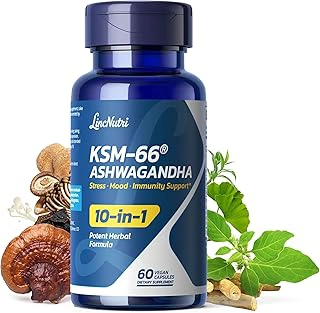
LincNutri KSM-66 Ashwagandha Supplements 60 Vegan Capsules
If you want a standalone ashwagandha supplement without the stimulating properties of rhodiola, the LincNutri KSM-66 capsules deliver a full-spectrum root extract in a straightforward vegan formula. Each bottle contains 60 capsules, giving you a two-month supply at $26.57 - a competitive price for KSM-66, the most researched ashwagandha extract with documented effects on cortisol and stress response.
KSM-66 is extracted from ashwagandha root only, preserving the plant's natural balance of withanolides without the leaf material some other extracts include. This matters if you're targeting cortisol control and anxiety reduction, the two areas where ashwagandha shows the most consistent support in research. Unlike combination formulas that pair ashwagandha with rhodiola or other adaptogens, this single-ingredient approach gives you a higher per-dose ashwagandha content and avoids rhodiola's mild stimulant effect, which can be counterproductive if you're sensitive to stimulants or plan to take your adaptogen in the evening.
The 4.3 out of 5 rating reflects solid user feedback, and the vegan capsules accommodate most dietary restrictions. The two-month supply makes it easy to assess how ashwagandha works for your stress patterns without committing to a larger bottle. This formula works best for people who need calming support throughout the workday or before sleep, rather than immediate energy or focus - rhodiola handles those needs more directly. The straightforward formulation also simplifies troubleshooting: if you notice benefit or side effects, you know exactly which adaptogen is responsible.
Consider this option if you've identified cortisol dysregulation or chronic anxiety as your primary work stress symptoms, or if you've tried rhodiola and found it too activating. The clean ingredient list and established extract standard make it a reliable starting point for ashwagandha supplementation.
- ✅ KSM-66 full-spectrum root extract with clinical research backing
- ✅ 60-day supply at $26.57 offers good value
- ✅ Vegan capsules with no rhodiola stimulation
- ✅ Single-ingredient formula simplifies response tracking
- ⚠️ Does not provide the energy or focus benefits of rhodiola
- ⚠️ Takes consistent daily use to show cortisol and anxiety effects
Ashwagandha: Calming Cortisol and Reducing Anxiety
Ashwagandha works primarily by lowering serum cortisol, the hormone that spikes when deadlines pile up and email notifications never stop. Clinical studies show that standardized root extracts can reduce cortisol levels by 11 - 32% over eight weeks, making it useful when your baseline stress runs high and you feel wired even after the workday ends.
The herb also modulates GABA receptors in the brain, which helps quiet the mental chatter that keeps you replaying tomorrow's presentation at midnight. People who struggle with racing thoughts at night or wake up anxious often notice better sleep quality within two to four weeks of consistent use.
Two extract types dominate the research and the supplement market. KSM-66 is a full-spectrum root extract standardized to at least 5% withanolides, the active compounds; it appears most often in studies measuring cortisol and anxiety scores. Sensoril is a root-and-leaf blend with higher withanolide glycosides, and some users report a gentler, more calming effect. Both typically work at 300 - 600 mg daily, taken in the evening or split across morning and night.
Ashwagandha fits best when your work stress shows up as elevated cortisol symptoms: trouble unwinding after hours, shallow sleep, or a persistent tight-chest feeling that doesn't match the actual urgency of your tasks. It takes a few weeks to build, so it's not a same-day solution for an acute deadline - but it can lower your overall stress baseline enough that individual crises feel less overwhelming.
Rhodiola Rosea: Fighting Fatigue and Sharpening Mental Clarity
Rhodiola rosea works differently than ashwagandha by targeting energy metabolism and neurotransmitter sensitivity rather than cortisol alone. The active compounds rosavins and salidroside help increase how efficiently your brain responds to dopamine and serotonin, which explains why many people notice sharper thinking and better mood under pressure. Rhodiola also supports mitochondrial function, the cellular process that produces energy, making it particularly useful when mental fog or afternoon crashes interfere with productivity.
This adaptogen suits people dealing with burnout, chronic tiredness, or the kind of mental sluggishness that follows weeks of high workload. Unlike ashwagandha's calming profile, rhodiola has a mildly stimulating quality. Most users find it works best when taken in the morning, as afternoon or evening doses may interfere with sleep in sensitive individuals.
Typical effective doses range from 200 to 400 mg of extract standardized to 3% rosavins and 1% salidroside. Effects usually become noticeable within a few hours, though consistent use over one to two weeks often brings more stable improvements in stamina and focus. Rhodiola offers a faster-acting option when you need cognitive support and physical endurance without heavy sedation.
Head-to-Head: Ashwagandha vs. Rhodiola for Work Performance
Choosing between ashwagandha and rhodiola depends on your specific stressor, energy pattern, and when you need support. Ashwagandha addresses cortisol-driven anxiety and helps calm the nervous system, making it more suitable for people who feel wired, overthink tasks, or struggle to wind down after work. Rhodiola targets mental fatigue and burnout, offering a mild stimulant effect that sharpens focus and endurance during demanding workdays.
Time of day matters. Ashwagandha is typically taken in the evening or afternoon because its calming properties can cause drowsiness if used early in the day, especially at higher doses. Rhodiola works best in the morning or early afternoon; taking it too late may interfere with sleep due to its energizing effect. If your work stress manifests as racing thoughts at bedtime, ashwagandha fits better. If you hit a wall by mid-morning and lose concentration, rhodiola is the stronger match.
The cognitive benefits differ in focus. Ashwagandha reduces rumination and the mental loop of replaying stressful scenarios, helping you let go of work anxiety once the day ends. Rhodiola sharpens attention and reaction time under pressure, which is useful during meetings, deadlines, or multitasking sprints. Neither acts immediately: ashwagandha often requires one to two weeks of consistent use to show noticeable calming effects, while rhodiola may deliver a subtle energy lift within a few days but builds resilience over several weeks.
Tolerance and side effects also vary. Ashwagandha is generally well-tolerated but can cause digestive upset or excessive sedation in sensitive individuals. Rhodiola may trigger jitteriness or irritability at high doses, particularly in people prone to overstimulation. If you already consume caffeine heavily, adding rhodiola may amplify restlessness. If you take sedatives or have low blood pressure, ashwagandha's calming effect may feel too strong.
The tradeoff is clear: ashwagandha is the better option for anxiety-dominant stress and evening recovery, while rhodiola suits fatigue-driven stress and daytime performance. Some people rotate them seasonally or use ashwagandha on high-pressure evenings and rhodiola on sluggish mornings, but starting with one and observing your response over two weeks will help you decide which adaptogen aligns with your work rhythm.
Which Adaptogen Matches Your Work Stress Pattern?
- Choose ashwagandha if you experience racing thoughts, high evening cortisol, or anxiety-driven insomnia
- Choose rhodiola if you face afternoon energy crashes, mental fog, or burnout-related fatigue
- Consider combining both if you have high-stress mornings and poor sleep at night (rhodiola AM, ashwagandha PM)
- Start with one adaptogen for 4-6 weeks to assess individual response before layering
- Avoid rhodiola if you have a history of stimulant sensitivity or difficulty sleeping
Dosing, Timing, and What to Expect
Ashwagandha is typically taken at 300 - 600 mg per day, either as a single evening dose or split between morning and night. Many people prefer evening timing because of its calming effect, which can support sleep. Rhodiola works best at 200 - 400 mg in the morning, ideally on an empty stomach, to take advantage of its energizing properties without interfering with rest later in the day.
Ashwagandha usually requires two to four weeks of consistent use before noticeable changes in stress response appear. Rhodiola tends to act faster, with some users reporting improved energy and focus within one to two weeks. Neither adaptogen delivers instant results, so patience and routine matter more than dose adjustments.
Side effects are generally mild but worth noting. Ashwagandha may cause upset stomach, loose stools, or drowsiness, especially at higher doses or when taken during the day. Rhodiola can occasionally trigger jitteriness, headache, or restlessness in sensitive individuals, particularly if taken too late or at higher amounts. Starting at the lower end of the dose range and observing how you feel helps minimize these reactions.
Ashwagandha should be avoided during pregnancy and used cautiously if you take thyroid medication, since it may influence thyroid hormone levels. Rhodiola is not recommended for individuals with bipolar disorder, as it may contribute to mood instability. If you have an underlying condition or take prescription medications, check with a healthcare provider before adding either adaptogen to your routine.
Final Recommendations: Matching Adaptogen to Work Stress Type
Choosing between ashwagandha and rhodiola depends on which aspect of work stress hits hardest. If workplace anxiety, racing thoughts before presentations, or difficulty winding down after long days are the main struggles, ashwagandha alone makes the most sense as a starting point. Its cortisol-moderating effects and calming influence work best when stress manifests as nervous tension rather than exhaustion. A KSM-66 extract formula taken in the evening can help settle the nervous system without adding stimulation.
When the problem is afternoon energy crashes, mental fog during complex tasks, or difficulty staying sharp through back-to-back meetings, rhodiola becomes the better fit. Its support for mental stamina and resistance to fatigue addresses the depletion side of stress. A standalone rhodiola supplement with 3% rosavins and 1% salidroside, taken in the morning, provides focus support without the calming weight that ashwagandha can bring during work hours.
For those dealing with both anxiety and burnout - feeling wired but unable to concentrate, or exhausted yet unable to relax - a combination approach may help. Some people benefit from taking rhodiola in the morning for energy and focus, then ashwagandha in the evening to support recovery and sleep. Others find a pre-formulated blend that balances both adaptogens works well, though individual response to ratios varies.
Whichever path you choose, plan for a four-to-six-week trial period before evaluating results. Start with the lower end of the recommended dose range to assess tolerance, especially if you are sensitive to supplements or take prescription medications. Track practical markers: how quickly you fall asleep, whether afternoon focus improves, if Sunday-night dread lessens, or if you recover faster after stressful weeks. These subjective shifts matter more than waiting for dramatic changes.
Consult a healthcare provider before starting either adaptogen if you take medication for thyroid conditions, blood pressure, diabetes, or mood disorders, as both herbs can interact with these drug classes. Individual biochemistry shapes how each adaptogen is metabolized, so what works well for a colleague may feel different for you. Adjusting timing, dose, or switching between the two based on your actual experience will give you the clearest answer about which adaptogen fits your work stress better.