We may earn a commission when you buy through links on this page, at no extra cost to you. How this works.
Choosing a cold plunge tub for daily use comes down to five practical factors: capacity, chiller performance, filtration quality, setup demands, and cost relative to durability. A tub needs at least 100 gallons to allow full-body immersion without cramped positioning, and the chiller must reliably reach and maintain water temperatures between 39 and 50°F - the range where cold exposure triggers physiological responses including dopamine release. Filtration systems vary widely; some models require frequent manual draining, while others use ozone or UV sanitation to keep water clean for weeks.
Setup complexity matters if you plan to use the tub indoors or lack outdoor plumbing. Models with plug-and-play chillers and self-contained water treatment eliminate most installation friction, though they usually cost more. Price-to-performance ratio becomes the deciding factor once you've narrowed by size and cooling power - premium tubs often include app controls, faster chill times, and quieter compressors, but budget options can deliver the same core temperature range if you accept longer cooling cycles and simpler interfaces.
The three tubs reviewed here span budget, mid-tier, and premium price points. Each meets the baseline capacity and temperature requirements, but they trade off speed, convenience, and features in ways that suit different usage patterns and spaces.
Quick comparison
| JUGRFIT 121-Gallon Luxury Pro-Grade Cold Plunge Tub with 1050W Water Chiller – Ice-Free At-Home Recovery, Built-In Filtration, Weatherproof & Durable | Check current price |
| AS ColdPlunge 1/3HP Ice Bath Chiller & 148Gal Cold Plunge Tub Kit with Pump & Filter | View kit details |
| Frosty Ice Pod Pro Inflatable Cold Plunge Tub with Chiller Compatibility | See price and availability |
What to Look for in an At-Home Cold Plunge Tub
Choosing a cold plunge tub for daily use requires attention to four core factors that determine whether the system will perform reliably over time or become a maintenance headache.
Tub capacity dictates full-body immersion quality. Look for a minimum of 100 gallons if you want shoulder-deep coverage while seated; models in the 75-gallon range often leave taller adults with knees or shoulders exposed, reducing the cardiovascular response that drives dopamine release. Depth matters as much as volume - aim for at least 30 inches of interior height to ensure your torso stays submerged without constant repositioning.
Chiller power is the engine of consistent temperature control. A 1/3-horsepower chiller is the practical floor for reliable cooling in typical home environments; anything less will struggle to reach or maintain 50°F when ambient temperatures climb or if you plunge multiple times per day. Wattage typically ranges from 500W to 1,100W in residential units. Stronger chillers recover faster between sessions, which matters if you share the tub or prefer back-to-back plunges. Confirm the unit's cooling range - some budget models stall out at 55°F, while serious options pull water down to 37°F.
Filtration keeps water clean without daily draining. A circulation pump with a flow rate above 15 gallons per minute paired with a 5-micron or finer cartridge filter will handle organic debris and body oils. Pay attention to stated maintenance intervals: filters requiring weekly cleaning add friction to daily routines, while monthly service schedules are more realistic for most users. Ozone or UV sanitation can extend water life, but they add cost and complexity.
Physical footprint shapes placement options. Measure your intended space carefully - most plug-and-play models occupy 60 to 80 inches in length and weigh over 900 pounds when filled. Indoor installations require floor load verification and drainage access; outdoor setups demand weather-resistant materials and insulated plumbing if you live in a freeze zone. Models marketed as "portable" still need a dedicated 110V or 220V outlet and level ground, so assess electrical access early.
Prioritize the factors that match your usage pattern. Daily users benefit most from chiller horsepower and low-maintenance filtration; weekend plungers can compromise on cooling speed if the tub holds temperature well between sessions.
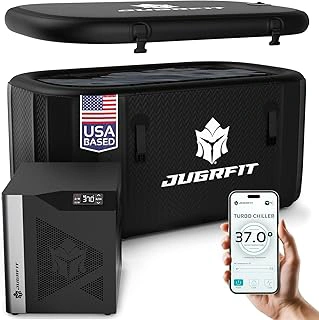
JUGRFIT 121-Gallon Luxury Pro-Grade Cold Plunge Tub with 1050W Water Chiller – Ice-Free At-Home Recovery, Built-In Filtration, Weatherproof & Durable
The JUGRFIT 121-gallon cold plunge tub delivers the largest capacity in this group and pairs it with a powerful 1050W water chiller designed to maintain consistent temperatures without ice, even in warm outdoor conditions. With built-in filtration and weatherproof construction, this model addresses the needs of daily users who want to minimize maintenance and place the tub outside year-round.
At the listed size, the tub offers enough depth and width for full-body immersion, making entry and exit comfortable for a range of body types. The 1050W chiller provides faster cooling and better temperature stability than lower-wattage units, which becomes important if you use the tub multiple times per day or share it with household members. The integrated filtration system continuously circulates and cleans the water, reducing the frequency of draining and refilling compared to tubs that rely on manual water changes.
Weatherproof materials allow outdoor placement in sun, rain, or snow without degradation, and the insulated construction helps the chiller maintain set temperatures more efficiently. The tub is rated 4.7 out of 5, and priced at $1,249.99, it sits at the premium end of the at-home cold plunge market.
Compared to the multiple-gallon Zenheal model with its multiple chiller, the JUGRFIT offers multiple% more water volume and multiple% more chilling power, which translates to faster recovery after workouts and better performance in hotter climates. Against the compact multiple-gallon Ice Pod Pro, the JUGRFIT provides double the capacity and a permanent installation that reduces setup effort, though at a significantly higher cost and footprint.
This tub makes sense for consistent daily users who value low-maintenance operation, outdoor durability, and the comfort of a spacious design. If you plan to use cold exposure as a daily habit rather than an occasional experiment, the larger capacity and more powerful chiller reduce friction and improve the experience. The upfront investment pays off through reduced ice costs, less frequent water changes, and reliable performance across seasons. If space is limited, budget is tight, or you want portability, the smaller models remain viable alternatives.
- ✅ 121-gallon capacity supports full-body immersion for a range of body types
- ✅ 1050W chiller maintains consistent temperatures without ice, even outdoors
- ✅ Built-in filtration reduces maintenance and extends time between water changes
- ✅ Weatherproof construction allows year-round outdoor placement
- ⚠️ $1,249.99 price point is the highest in this comparison
- ⚠️ Larger footprint requires dedicated outdoor or indoor space
- ⚠️ Permanent installation lacks portability of inflatable models
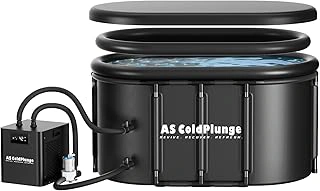
AS ColdPlunge 1/3HP Ice Bath Chiller & 148Gal Cold Plunge Tub Kit with Pump & Filter
The AS ColdPlunge kit delivers the listed size of capacity and a 1/3 HP chiller at $449.00, filling the gap between inflatable options and premium all-in-one units. The included pump and filter provide a complete cooling and filtration system in one package, though you assemble and connect the components yourself.
Capacity matters for cold plunging. At the listed size, this tub offers enough water volume for full-body immersion without the cramped quarters of smaller inflatables. The 1/3 HP chiller handles this volume effectively, maintaining target temperatures for daily use without the underpowered struggles common in budget models. The kit approach means you integrate the chiller, pump, and filter into the tub setup - more involved than plugging in a single unit, but less complex than sourcing components separately.
Setup requires spatial planning. The chiller unit sits outside the tub, and hoses connect it to the pump and filter. You need floor space for the components and access to power. Once assembled, the system circulates and cools water continuously, with the filter handling debris and the chiller maintaining temperature. This multi-component design trades convenience for flexibility: you can position the chiller for ventilation and service the filter independently.
The 4.4 out of 5 rating reflects solid performance at this price tier. Users willing to manage hose connections and component placement get reliable cooling and better capacity than inflatable tubs. Construction is functional rather than premium - the tub material and fittings do the job without luxury finishes. For daily cold exposure at home, this kit delivers consistent temperature control and enough room to sit comfortably, as long as you accept the assembly and footprint requirements.
This option suits users who prioritize cooling power and capacity over portability or compact storage. If you have space for a permanent or semi-permanent setup and want more volume than inflatables provide without stepping up to $1,multiple-plus all-in-one models, the AS ColdPlunge kit offers a practical middle ground. The included pump and filter eliminate guesswork, and the chiller handles the workload for year-round use.
- ✅ 148-gallon capacity for full-body immersion
- ✅ 1/3 HP chiller provides reliable cooling for daily use
- ✅ Complete kit includes pump and filter
- ✅ $449.00 price point between budget and premium options
- ⚠️ Multi-component setup requires assembly and space planning
- ⚠️ Chiller unit sits outside tub, adding footprint
- ⚠️ Functional construction without premium finishes
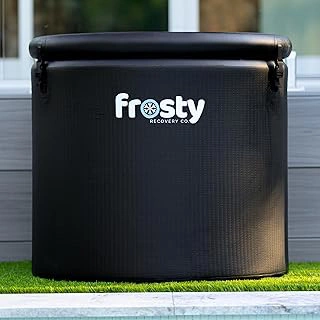
Frosty Ice Pod Pro Inflatable Cold Plunge Tub with Chiller Compatibility
For users who want to test cold plunging without a large upfront investment, the Frosty Ice Pod Pro offers an inflatable design at $199.00. This portable tub sets up quickly in small spaces - apartments, patios, or spare rooms - and folds down when not in use. The 4.2 out of 5 rating reflects mixed feedback on long-term durability, with some users noting seam wear after extended use.
The key tradeoff is that this tub ships without a built-in chiller. You'll need to add ice manually or purchase a compatible chiller unit separately to maintain consistent cold temperatures. Without active cooling, water warms quickly in ambient conditions, which limits your ability to control precise exposure temperatures or sustain multi-day sessions. Taller users should also note that the compact inflatable footprint may not allow full shoulder immersion when seated.
Chiller compatibility means you can upgrade the system later if cold exposure becomes part of your routine, but the initial $199.00 cost covers only the tub itself. Setup involves inflating the walls, filling with water, and monitoring temperature manually. This approach works well for occasional use or beginners exploring whether cold plunging fits their lifestyle before committing to a permanent, chiller-equipped system.
Choose the Frosty Ice Pod Pro if you're testing the practice, need portability between locations, or have limited floor space. Skip it if you want plug-and-play temperature control or plan to use the tub daily without managing ice or external cooling equipment.
- ✅ $199.00 entry price for budget-conscious users
- ✅ Inflatable design stores compactly and moves easily
- ✅ Compatible with aftermarket chillers for future upgrades
- ⚠️ No integrated chiller - requires ice or separate cooling unit
- ⚠️ Smaller capacity may limit full immersion for taller users
- ⚠️ 4.2/5 rating reflects durability concerns with seams over time
How to Safely Start Your Daily Cold Plunge Routine
Starting a cold plunge practice at home works best when you build tolerance gradually rather than forcing yourself into uncomfortable extremes. Begin with water set between 55 and 60°F for one to two minutes, keeping a timer where you can see it. This range feels challenging but manageable for most beginners, and even short exposures trigger the dopamine response that makes cold immersion rewarding.
Over the next two to three weeks, you can lower the temperature by a few degrees or add 30 seconds to your session as your body adapts. Track each plunge in a notebook or app so you can identify patterns in how you respond to different temperatures and durations. Consistency matters more than pushing limits early on - three short plunges per week will build tolerance faster than one long, miserable session.
Never plunge alone during your first few weeks. Have someone nearby who can hear you if you need help, and keep your phone within reach. Monitor your breathing throughout: controlled, steady breaths signal you're managing the stress well, while gasping or hyperventilating means you should slow down or exit. Uncontrollable shivering, numbness in your fingers or toes, or dizziness are clear signals to get out immediately and warm up gradually with dry clothes and movement.
The dopamine boost happens even with shorter exposures, so resist the urge to stay in longer than feels right. Your goal in the first month is to make cold plunging a habit you look forward to, not an ordeal you dread. Once you consistently hit three to four minutes at 50°F without distress, you've built a solid foundation for long-term practice.
Cold Plunge Setup and Maintenance Checklist
- Verify electrical outlet meets chiller power requirements (check wattage and voltage)
- Test water temperature with a reliable thermometer before first use
- Set up filtration system and confirm pump flow rate meets manufacturer specs
- Establish a water replacement schedule (every 2 - 4 weeks depending on use frequency)
- Clean or replace filters according to the included maintenance guide
- Check weatherproofing seals if placing the tub outdoors
Frequently Asked Questions About Cold Plunging at Home
Cold plunge tubs designed for home use come with practical questions about temperature, duration, maintenance, and safety that every new user needs answered before committing to a daily routine.
How cold should the water be for dopamine benefits?Most research points to a range of 39 - 50°F for triggering the metabolic and neurochemical responses associated with cold exposure, including dopamine release. Individual tolerance varies widely; some people feel significant effects at 50°F, while others prefer to work down to the low 40s over time. Starting at the warmer end and adjusting based on your comfort and recovery helps you find the sweet spot without shocking your system.
How long should each plunge last?One to five minutes covers the effective window for most users. Consistency matters more than pushing duration - regular short sessions build adaptation and deliver compounding benefits, while sporadic long plunges often lead to burnout or avoidance. Begin with 60 - 90 seconds and add time gradually as your body acclimates.
Do I need a chiller or can I use ice?Chillers maintain stable temperature around the clock and eliminate the daily chore of hauling bags of ice, which makes them practical for true daily use. Ice works in the short term or for occasional plunges, but keeping a tub cold every day without refrigeration quickly becomes impractical and expensive. If you plan to plunge more than twice a week, integrated or external chiller systems are worth the investment.
How often should I change the water?Tubs with ozone or UV filtration and circulation pumps typically need fresh water every two to four weeks, depending on usage frequency and how well you rinse off before entering. Without filtration, you'll need to change the water every few days to prevent bacterial growth and cloudiness. Covering the tub when not in use and maintaining proper sanitizer levels extend water life significantly.
Can I use a cold plunge tub indoors?Yes, as long as you account for the weight of the filled tub - often 1,500 to 2,500 pounds or more - and have appropriate drainage or a plan for water removal. Indoor placement also requires attention to moisture control, ventilation, and floor protection to avoid mold or structural damage over time. Many users prefer garages, basements, or dedicated wellness rooms where spills and humidity are easier to manage.
Is cold plunging safe for everyone?Cold immersion is not recommended for individuals with cardiovascular conditions, uncontrolled high blood pressure, Raynaud's phenomenon, cold urticaria, or a history of heart arrhythmia without explicit medical clearance. Pregnant individuals and anyone with compromised circulation should also consult a healthcare provider before starting. Even healthy users should ease into the practice and listen to their body's signals, avoiding breath-holding or pushing past reasonable discomfort.
Why These Three Cold Plunge Tubs Stand Out
A cold plunge tub that works for daily use needs more than an insulated shell - it requires active temperature control to stay practical over weeks and months. All three tubs in this guide either include or integrate with chillers, which eliminates the hassle of buying ice or managing meltwater between sessions. That single feature transforms cold exposure from a logistical chore into a sustainable routine.
JUGRFIT stands out for users who want the simplest path to consistent cold therapy. Its integrated chiller, built-in filtration, and weather-resistant construction make it the most turnkey option, especially if you plan to keep the tub outdoors year-round. You pay more upfront, but the streamlined maintenance and durability reward frequent use.
AS ColdPlunge offers comparable cooling power and capacity at a lower price, making it a strong fit for budget-conscious buyers who don't mind assembly and occasional filter upkeep. The kit format requires more initial effort, but the performance gap between this and the premium pick is narrow once everything is running.
Frosty Ice Pod Pro serves a different role: it's the entry-level choice for anyone testing cold plunge routines, working with limited floor space, or needing a portable solution. Cooling depends on an external chiller or ice, and the smaller volume means less thermal stability, but the compact design and accessible price make it easy to start without overcommitting.
Match your pick to how often you'll actually use it. If cold exposure is already a confirmed habit, prioritize the chiller-equipped models. If you're still exploring whether daily plunges fit your schedule, the portable option lets you learn without locking in a large investment or footprint.