We may earn a commission when you buy through links on this page, at no extra cost to you. How this works.
Heart rate variability - the variation in time between consecutive heartbeats - has become one of the most accessible biomarkers for understanding how your body responds to stress and recovers from it. Unlike heart rate, which tells you how fast your heart is beating, HRV reflects the balance between your sympathetic (fight-or-flight) and parasympathetic (rest-and-digest) nervous systems. Higher variability typically indicates better recovery and resilience, while consistently low HRV can signal accumulated stress, insufficient rest, or the early stages of overtraining.
For beginners, the appeal of HRV tracking lies in its simplicity: a single morning measurement can help you decide whether today is a good day to push hard or to pull back and recover. But the learning curve is real. HRV values vary widely between individuals, devices use different metrics (RMSSD, SDNN, pNN50), and interpreting trends requires patience and context. This guide walks you through what actually matters when you start tracking HRV - accuracy, ease of interpretation, how it fits into your existing routine, and whether the feedback is clear enough to act on.
We'll focus on four practical areas: choosing a measurement method that balances precision with convenience, understanding which HRV metrics are most useful for everyday stress and recovery monitoring, recognizing common mistakes that lead to misinterpretation, and building a tracking habit that delivers insight without adding friction to your mornings. If you're managing a full schedule and need evidence-based guidance without the noise, this framework will help you make HRV tracking work for you rather than become another data point you ignore.
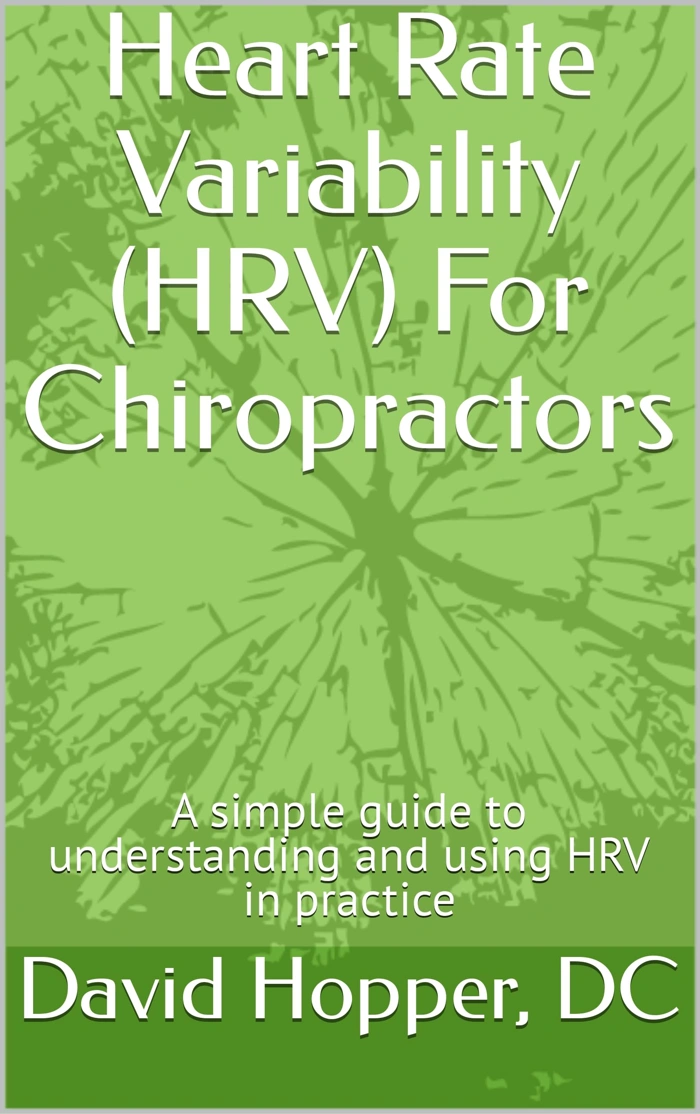
Heart Rate Variability (HRV) for Chiropractors: A Simple Guide eBook
If you want to move past surface-level app metrics and understand the science behind HRV without wading through academic journals, Heart Rate Variability (HRV) for Chiropractors: A Simple Guide offers a clear starting point. Originally written for practitioners, the eBook translates complex autonomic nervous system concepts into plain language that beginners can follow.
At $9.99, this digital resource fills the gap between quick-start tutorials and dense research papers. It walks through what HRV actually measures, why the nervous system responds the way it does to stress and recovery, and how to interpret the numbers your tracker displays. The explanations stay grounded in physiology without requiring a medical background.
The guide is structured to build understanding step by step, making it useful if you've been tracking HRV for a few weeks and want to know why your readings shift rather than just what they mean. Because it was designed for a clinical audience, the tone is straightforward and avoids the motivational language common in consumer health content.
With a 5.0/5 rating, readers have found the material accessible and well-organized. The eBook format means you can reference specific sections as questions come up during your own tracking routine. It won't teach you how to use a specific app or device, but it will help you make sense of the data those tools collect.
This is optional reading - your tracker and its app will handle the basics. But if you're the type who wants to understand the mechanism behind the measurement, this guide delivers that context without overwhelming detail.
- ✅ Explains HRV science in plain language without clinical jargon
- ✅ Bridges the gap between app instructions and academic research
- ✅ Structured to build understanding step by step
- ✅ Priced at $9.99 for digital access
- ✅ 5.0/5 rating from readers
- ⚠️ Written for practitioners, so some context assumes a clinical perspective
- ⚠️ Does not cover specific app or device instructions
- ⚠️ Digital-only format may not suit all reading preferences
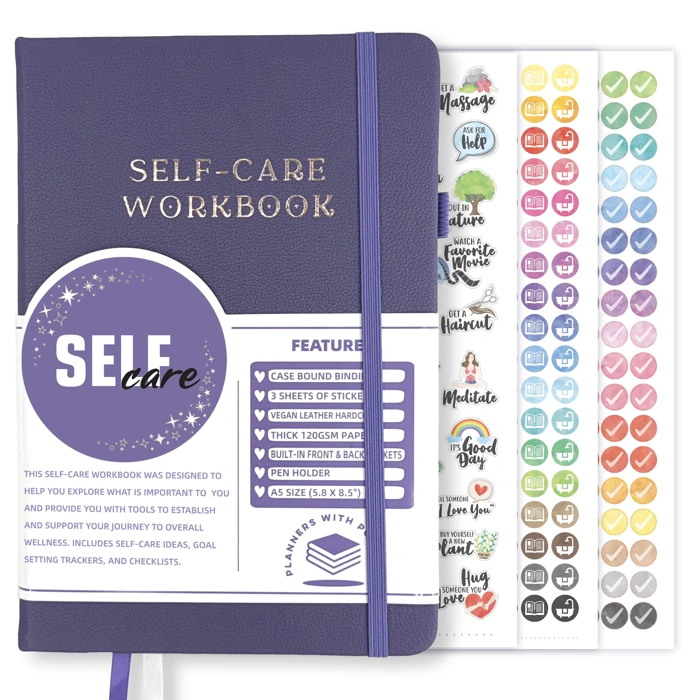
Planners with Purpose Self-Care Mental Health Journal A5 (Purple)
The Planners with Purpose Self-Care Mental Health Journal A5 (Purple) offers a structured analog companion for readers who want to record HRV trends alongside qualitative context. Priced at $16.95 with a 4.7/5 rating, this A5 journal creates dedicated space to log daily stress levels, sleep quality, mood, and activity - giving you a single place to compare biometric data with how you actually felt.
Because HRV numbers alone don't always tell the full story, pairing digital tracker readings with handwritten notes can surface patterns a graph might miss. You might notice, for example, that your HRV dropped on mornings after poor sleep or high-stress meetings, even when total sleep hours looked adequate in your app. Writing these observations by hand also slows the reflection process, making it easier to spot connections between lifestyle choices and recovery trends over weeks or months.
The journal's prompts and layout guide consistent data entry without requiring you to design your own system. That structure is especially helpful during the first few months of HRV tracking, when you're still learning which contextual factors matter most for your patterns. The compact A5 size fits easily on a nightstand or in a bag, so it's practical to use as part of a morning or evening routine.
Keep in mind that this is a paper journal - there's no automatic syncing, charting, or cloud backup. You'll need to manually transfer HRV readings from your device and take time each day to complete entries. For readers who prefer purely digital workflows or struggle with manual habit formation, that added friction may reduce consistency. But if you find that analog journaling helps you stay accountable and process information more deeply, the ritual of writing can reinforce the tracking habit and deepen your understanding of how stress and recovery interact in your own life.
- ✅ Structured prompts guide consistent logging of HRV, mood, sleep, and stress context
- ✅ Compact A5 size fits easily into daily routines
- ✅ Handwritten reflection can reveal patterns digital dashboards miss
- ✅ Affordable at $16.95 with strong user rating
- ⚠️ Requires manual data entry with no automatic syncing
- ⚠️ Paper format offers no charting, cloud backup, or trend visualization
- ⚠️ Daily writing takes extra time compared to app-only tracking
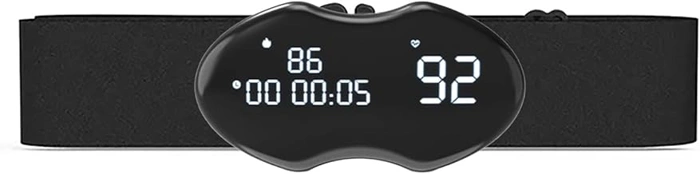
Fitspur Heart Rate Monitor Chest Strap with Digital Display, BLE and ANT+
The Fitspur Heart Rate Monitor Chest Strap with Digital Display offers dual connectivity through BLE and ANT+, making it compatible with a wide range of fitness apps and devices that capture HRV data. Priced at $33.99 with a 4.6/5 rating, it sits in the midrange between basic smartphone tracking and premium wearables.
Chest straps measure electrical signals directly from the heart, which typically provides more consistent beat-to-beat interval data than optical wrist sensors. This matters for HRV tracking because the measurement depends on detecting subtle variations in the timing between heartbeats. The dual connectivity lets you pair it simultaneously with a running watch, bike computer, or smartphone app that supports Bluetooth or ANT+ protocols.
The built-in digital display shows real-time heart rate, so you can monitor intensity during activity without needing to check a paired device. The strap design keeps the sensor positioned against your chest during movement, which helps maintain signal stability when you're tracking HRV after workouts or during recovery sessions.
This monitor works best for readers who plan to track HRV consistently and want hardware that delivers reliable interval data without the cost or complexity of a multi-sensor wearable. It requires a compatible app to store and analyze HRV trends over time. The chest strap fit may take adjustment, and you'll need to dampen the contact points before each session to ensure good signal quality.
If you're moving beyond occasional tracking and want accuracy for daily HRV readings - especially if you already use fitness devices or apps that support standard heart rate protocols - this strap provides a straightforward upgrade from wrist-based or camera-based methods.
- ✅ Dual BLE and ANT+ connectivity works with many apps and devices
- ✅ Chest placement provides consistent beat-to-beat interval data
- ✅ Built-in digital display for real-time heart rate monitoring
- ✅ Midrange price at $33.99
- ⚠️ Requires compatible app for HRV storage and analysis
- ⚠️ Chest strap fit and contact moisture need attention before each use

MGermain Mental Health and Fitness Hardcover Self-Mastery Journal
The MGermain Mental Health and Fitness Hardcover Self-Mastery Journal offers a structured way to integrate HRV tracking with broader wellness habits. Priced at $19.99, this hardcover journal is designed for readers who want to connect their biometric data to daily mental and physical self-care routines.
HRV numbers alone don't tell the full story. This journal provides prompts that help you record sleep quality, mood, stress levels, and fitness activity alongside your HRV readings. By linking these observations, you can start to identify patterns - such as how a poor night's sleep or a particularly stressful day correlates with lower HRV the following morning.
The hardcover format is durable enough for daily use, and the structured layout keeps entries consistent over time. This consistency is valuable when reviewing weeks or months of data to understand your personal stress and recovery trends. The journal encourages intentional reflection rather than passive number-watching, which can make HRV tracking feel more actionable and less abstract.
With a 5.0/5 rating, early users appreciate the balance between guided prompts and open space for personal notes. It's well-suited for beginners who are just learning to interpret HRV and want a single place to track context around their readings. The journal doesn't require a specific HRV device or app, so it works alongside whatever tracking tool you already use.
The trade-off is that this is a manual process. If you prefer automated dashboards or digital summaries, a paper journal may feel slow. But for those who find value in the act of writing and reviewing by hand, the MGermain journal bridges the gap between raw data and meaningful insight.
- ✅ Priced at $19.99
- ✅ Hardcover format built for daily use
- ✅ Structured prompts connect HRV data with sleep, mood, and activity
- ✅ Works with any HRV tracking device or app
- ✅ 5.0/5 rating from early users
- ⚠️ Manual entry requires consistent effort
- ⚠️ No digital integration or automated summaries
Who This Guide Is For
This guide is designed for anyone experiencing stress, fatigue, or inconsistent energy who wants objective data to help guide recovery and lifestyle decisions. If you've noticed that willpower alone isn't enough to manage how you feel day to day, tracking heart rate variability offers a measurable starting point.
You don't need to be an advanced athlete or have a clinical background. This guide assumes you're new to biometric tracking and want to understand the basics: what HRV is, why it matters, and how to use it without getting lost in technical details or over-interpreting the numbers.
HRV tracking is most useful if you're looking to identify patterns in how your body responds to sleep quality, work stress, exercise intensity, or lifestyle changes. It works best when you're willing to check in regularly and make small adjustments based on what the data reveals over weeks, not single readings.
If you're managing a diagnosed health condition or training for competitive performance, this guide will give you a foundation, but you'll likely need more specialized resources or professional guidance. For everyone else navigating the demands of work, family, and fitness, HRV offers a practical way to see what's working and what isn't.
What HRV Actually Measures
Heart rate variability measures the time gaps between consecutive heartbeats. These intervals are not identical - they fluctuate based on signals from your autonomic nervous system, which governs unconscious functions like breathing, digestion, and heart rate.
When you're relaxed and recovered, your parasympathetic nervous system is active, and your heart rate intervals show more variation. When you're stressed, fatigued, or facing a physical challenge, your sympathetic nervous system dominates, and the intervals become more uniform. Higher variability generally indicates that your body has flexibility to respond to demands, while lower variability often signals that your system is taxed or in a state of heightened arousal.
This relationship makes HRV a useful window into recovery status. A rising trend over days or weeks can suggest improving fitness or effective rest. A drop might point to inadequate sleep, lingering illness, overtraining, or psychological stress. The measurement itself is passive - it reflects the balance between branches of your autonomic nervous system rather than prescribing a specific intervention.
It's important to remember that HRV is one data point among many. Context matters: a single low reading doesn't diagnose a problem, and a single high reading doesn't guarantee readiness. Patterns over time, combined with how you feel and other markers like sleep quality and resting heart rate, give a clearer picture of your stress and recovery state.
What Matters Most When You Start Tracking
When you begin tracking heart rate variability, three factors matter more than chasing specific numbers or worrying about what others report. These priorities will help you build a useful, personal understanding of how your body responds to stress and recovery.
The first priority is measurement consistency. Take your HRV reading at the same time each day - ideally in the morning, before you get out of bed or check your phone. Keep conditions as similar as possible: measure in the same position (sitting or lying down), at roughly the same time, in a calm state. Consistency reduces variability caused by posture, digestion, caffeine, or the stress of rushing through your morning. A reading taken under consistent conditions gives you a cleaner signal to track over time.
The second priority is establishing your personal baseline rather than comparing your numbers to population averages or other people's data. HRV ranges vary widely between individuals due to age, fitness level, genetics, and health history. Someone with a baseline of 30 ms can be just as healthy as someone with a baseline of 90 ms. What matters is the pattern within your own range. Spend the first two to four weeks simply observing your numbers without making judgments. Notice your typical range, your high days, and your low days. This baseline becomes the reference point for all future interpretation.
The third priority is correlating trends with lifestyle factors. HRV data becomes meaningful when you connect it to what's happening in your life. Notice how your HRV responds after a hard workout, a poor night of sleep, a stressful work deadline, or a day of travel. Keep a simple log - mental or written - of sleep quality, training intensity, stress levels, alcohol intake, and illness. Over time, you'll see patterns: certain behaviors consistently lower your HRV, while others support recovery. This context transforms raw numbers into actionable insight.
Individual context always matters more than absolute values. A drop in HRV might signal overtraining for one person but normal recovery from a planned hard session for another. A rising trend might reflect improved fitness or simply better sleep habits. The goal is not to hit a specific number but to understand what your HRV is telling you about your current state and whether your lifestyle supports the balance between stress and recovery.
Avoid the temptation to micromanage daily fluctuations. HRV naturally varies from day to day due to countless factors, some of which you'll never identify. Focus on multi-day trends and weekly averages rather than reacting to a single low reading. This broader view reduces anxiety and helps you make smarter decisions about training intensity, rest days, and stress management.
By prioritizing consistency, personal baselines, and lifestyle correlation, you turn HRV tracking into a practical tool rather than a source of confusion or comparison. The numbers serve you, not the other way around.
How to Choose Your Tracking Method
Your tracking method shapes how consistently you'll measure HRV, so match the tool to your routine rather than chasing maximum precision. The three main options differ in accuracy, convenience, and the friction they add to your morning.
Smartphone apps with camera sensors are the lowest-cost entry point. You place your finger over the phone's camera flash for 60 to 90 seconds each morning. Optical readings from a fingertip are less accurate than ECG-based methods because they rely on blood volume changes rather than direct electrical signals, and motion or pressure variation can distort the data. If you're exploring whether HRV tracking fits your habits before investing in hardware, a camera-based app gives you a feel for the workflow. Expect noisier data and focus on weekly trends rather than daily swings.
Chest strap monitors paired with compatible apps deliver the highest accuracy because they measure electrical heart signals directly. The strap sits snugly across your chest, and most protocols ask for a short morning reading while you're seated and calm. Setup takes an extra minute - strap on, sync, sit still - which adds friction but rewards you with research-grade data. Choose this route if you want confidence in the numbers and don't mind a structured routine. Chest straps work well for people who already use heart rate monitors for training and want to extend that ecosystem to recovery tracking.
Wrist-based wearables - watches and rings - balance convenience and accuracy. They use optical sensors on your wrist or finger to measure heart rate overnight or during a designated morning window. Accuracy sits between camera apps and chest straps; fit, skin tone, and wrist movement all influence readings. The advantage is passive measurement: wear the device, wake up, and check your score. This removes daily decision fatigue and works for people who want HRV data without adding steps to their morning. Look for devices that specify HRV tracking and offer trend views, not just raw millisecond values.
Match your choice to how you'll actually use it. If you know you'll skip a measurement that requires setup, a wearable's automatic capture will serve you better than a more accurate chest strap you ignore. If you prefer control and don't mind routine, a chest strap gives you cleaner data to interpret. If you want to learn the basics before spending, start with a camera app and migrate later. Consistency in measurement time and body position matters more than the device itself, so prioritize the method you'll stick with every day.
Common Mistakes to Avoid When Starting Out
Many beginners stumble in predictable ways when they first start tracking HRV. Recognizing these missteps early helps you build a sustainable, useful routine rather than abandoning the practice out of frustration.
The most common mistake is checking HRV reactively throughout the day - perhaps after a stressful meeting or before a workout - hoping for real-time guidance. HRV readings are most reliable when taken at the same time each morning, in the same conditions: ideally upon waking, while still lying down, before checking your phone or starting the day. Spot-checking at random times introduces too many variables - caffeine, digestion, movement, emotional state - that obscure the baseline trend you're trying to track.
Another frequent error is overreacting to a single low reading. One dip does not mean you're overtrained, sick, or failing. HRV naturally fluctuates day to day due to sleep quality, hydration, meal timing, alcohol, travel, and even room temperature. What matters is the pattern over weeks, not the number on any given morning. Treat a single low score as a gentle nudge to check in with yourself, not a red alert that demands immediate action.
Comparing your HRV to population averages or friends' scores is similarly unhelpful. A score of 50 ms might be excellent for one person and low for another, depending on age, fitness level, genetics, and measurement method. Your own baseline - established over two to four weeks of consistent morning readings - is the only benchmark that matters. Focus on whether your trend is stable, rising, or falling relative to your personal range, not how you stack up against others.
Finally, many beginners fail to log context alongside their HRV data. Without notes on sleep hours, workout intensity, stress events, or illness, a downward trend becomes hard to interpret. Did your score drop because you're overtraining, or because you had two glasses of wine and four hours of sleep? Tracking a few key lifestyle factors - even informally in a notebook or app notes field - turns raw numbers into actionable insight.
Remember that HRV is a trend tool, not a daily pass/fail test. It works best when you measure consistently, interpret patiently, and use the data to inform decisions rather than dictate them. Avoid these common traps, and you'll build a practice that supports long-term awareness and smarter recovery choices.
How to Act on Your HRV Data
Collecting HRV data is only useful if you act on what it tells you. The goal is to adjust your habits in small, practical ways that support recovery and reduce the risk of overtraining or burnout.
When your HRV is consistently lower than your personal baseline - especially for several days in a row - it's a signal that your body is under strain. This might be physical stress from training, mental stress from work, poor sleep, or a combination of factors. The appropriate response is to prioritize recovery: get more sleep, reduce training intensity, swap a hard workout for a walk or light yoga, or add breathing exercises to your routine. These are small shifts, not dramatic life changes, and they give your nervous system room to reset.
On the other hand, a high or rising HRV suggests your body is handling stress well and is ready for challenge. This is a good time for harder workouts, skill practice, or pushing intensity. You're not invincible, but your readiness is higher, and you're more likely to adapt positively to stress.
The key is consistency in measurement and honesty in response. If your HRV drops but you ignore it and keep training hard, you may dig yourself into a deeper hole - fatigue, poor performance, or even illness. If you respond with a day or two of lighter activity, you often see HRV bounce back quickly.
Focus on the pattern, not the single number. One low reading might just be a bad night's sleep or dehydration. Three or four low readings in a row warrant attention. Similarly, don't chase a high HRV number by overresting; balance is the goal. Use HRV as one input alongside how you feel, your sleep quality, and your performance, then make small, sensible adjustments to training, rest, or stress management.
Building a Sustainable HRV Tracking Habit
The most valuable HRV data comes from consistency, not perfection. Tracking heart rate variability once in a while produces scattered snapshots; tracking it the same way, at the same time, builds a reliable baseline that reveals meaningful patterns over weeks and months.
Measure at the same time each morning, ideally within the first ten minutes after waking and before caffeine, food, or stress. This control reduces variability caused by activity, digestion, or stimulants. Sit or lie still for the recommended duration - typically one to five minutes depending on your device - and breathe normally. Trying to control your breath or fidgeting will skew the reading.
Record a few subjective notes alongside each morning's number: sleep quality, energy level, soreness, upcoming events, or anything unusual. Over time, these notes help explain why HRV rose or dropped and make it easier to spot connections between your habits and recovery. A simple notebook, spreadsheet, or the notes field in your tracking app works equally well.
Review trends weekly, not daily. A single low or high reading can reflect measurement timing, hydration, sleep position, or a dozen other transient factors. Look at the seven-day rolling average and ask whether the trend is stable, rising, or declining. Weekly review also makes it easier to connect patterns with training load, work stress, travel, or changes in sleep routine.
When you notice a downward trend, adjust one variable at a time. If you add an extra rest day, improve sleep hygiene, reduce evening screen time, or change your training intensity, keep everything else stable for at least a week so you can isolate what moved the needle. Changing multiple factors simultaneously makes it impossible to know which one mattered.
Expect variability, especially in the first few weeks. Your baseline takes time to establish, and early readings will fluctuate as you learn the rhythm of measurement and your body adapts to the routine. Missing a day or two will not ruin the dataset - just resume the next morning without trying to catch up or overcompensate.
Focus on the long game. HRV tracking is not a daily report card; it is a tool for understanding how your nervous system responds to cumulative stress and recovery over time. Consistency in the process matters far more than chasing a perfect number on any given morning.
Final Takeaway
Heart rate variability tracking is not about chasing the highest number or beating yesterday's score. It's a tool for self-awareness - a window into how your body is responding to the demands you place on it and the recovery you give it in return.
Success with HRV comes from consistency, not perfection. Measure at the same time each day, under the same conditions, and give yourself weeks to understand your personal baseline. That baseline is yours alone; comparisons to population averages or other users add noise, not insight.
Once you know your range, small, informed adjustments become possible. Notice how a night of poor sleep shows up in your morning reading. Watch how a high-stress week trends downward, or how a rest day after hard training helps the number recover. These patterns give you feedback you can act on - whether that means prioritizing an earlier bedtime, dialing back intensity for a day, or simply recognizing when you're running yourself too hard.
Patience matters. HRV reflects complex systems - nervous, cardiovascular, hormonal - that don't shift overnight. A single low reading doesn't mean you're broken, and a single high reading doesn't grant immunity from fatigue. Trends over days and weeks tell the real story.
Experiment with what works for your unique patterns. Some people respond to breathing exercises before bed; others find value in adjusting training load or caffeine timing. Your data will show you which levers matter most for your body.
Track with curiosity, not anxiety. HRV is feedback, not a judgment. Used well, it helps you build routines that support long-term resilience, recovery, and performance - on your terms.
Key Factors That Influence Your HRV Readings
- Sleep quality and duration the night before
- Hydration status and electrolyte balance
- Recent alcohol consumption or stimulant intake
- Exercise intensity and recovery time from last workout
- Acute stress or emotional state
- Time of day and body position during measurement