We may earn a commission when you buy through links on this page, at no extra cost to you. How this works.
At-home microbiome testing kits analyze the bacteria, fungi, and other microorganisms living in your digestive tract to help you make more informed decisions about diet, probiotics, and lifestyle habits. Most kits use a stool sample that you collect at home and mail to a lab, which then sequences the microbial DNA and returns a report showing which species are present and in what proportions. The reports often highlight diversity scores, ratios of this product to potentially harmful bacteria, and actionable suggestions for foods or supplements that may support your specific microbial balance.
These kits are designed for wellness and personalization, not medical diagnosis. They can reveal patterns - such as low diversity or an overabundance of certain strains - that may guide you toward dietary adjustments or probiotic strains worth trying. They do not replace clinical stool tests ordered by a physician to detect infections, parasites, or inflammatory markers, and they cannot diagnose conditions like inflammatory bowel disease or colorectal cancer.
When comparing kits, sample type is the first decision point. Most consumer microbiome tests rely on stool samples because gut bacteria are most directly assessed that way. A few platforms offer hair or saliva analysis, but these typically focus on genetic predispositions or general wellness markers rather than live microbiome composition. Report depth varies widely: some services provide a simple breakdown of major phyla and a handful of recommendations, while others deliver genus- and species-level data, metabolic pathway analysis, and personalized meal plans. Turnaround time ranges from two to six weeks, depending on lab capacity and sequencing depth.
Cost is another key factor. Entry-level kits start around sixty dollars and offer a snapshot report, while premium options can exceed three hundred dollars and include follow-up consultations, quarterly retesting discounts, or integrations with food-tracking apps. Decide whether you want a one-time assessment to guide initial changes or an ongoing tracking tool to monitor how interventions shift your microbiome over time.
Finally, consider whether the kit includes actionable follow-up. Some companies stop at the report, leaving interpretation up to you. Others bundle access to dietitians, health coaches, or algorithm-driven food and supplement recommendations. If you prefer guided next steps, look for platforms that offer consultation add-ons or detailed protocol suggestions. If you are comfortable researching on your own, a data-rich report without extra services may be enough.
Understanding these distinctions will help you choose a test that matches your budget, your comfort level with data interpretation, and your goals - whether that means optimizing digestion, experimenting with targeted probiotics, or simply satisfying curiosity about what lives inside your gut.
How We Evaluated At-Home Microbiome Tests
Choosing a microbiome test kit means sorting through labs that measure bacteria in very different ways and present results with wildly different levels of detail. We built our selection framework around five core attributes: sample collection method, report depth and format, lab transparency, customer feedback patterns, and cost structure.
Sample collection matters because some kits require only a small stool swab while others need a full specimen, which affects ease of use and completion rates. We noted whether instructions were clear and whether the collection device reduced mess or confusion.
Report format separates useful kits from vague ones. We looked for this product of individual bacterial taxa, not just a single wellness score. The best reports include genus- and species-level identification, diversity metrics, and comparisons to reference populations. Dietary and supplement recommendations should link back to specific bacteria found in your sample, making the advice concrete rather than generic.
Lab accreditation and methodology transparency signal reliability. We prioritized kits that disclose sequencing technology (16S rRNA or shotgun metagenomic), identify their lab partners, and explain quality control steps. Customer reviews helped us spot patterns in turnaround time, clarity of results, and customer support responsiveness when issues arose.
Price per test ranged from under fifty dollars to over three hundred, and we evaluated whether the cost matched the depth of analysis and actionable insight. Some kits offer one-time snapshots, while others include subscription options or discounted retests to track changes over weeks or months. We favored kits that let you choose your own cadence rather than locking you into recurring charges.
This framework steered us toward kits with transparent methods and reports that give you specific information to act on, rather than broad wellness claims with no clear next step.
Comparing Sample Types: Stool, Hair, and DNA Testing
The sample you collect determines what you'll learn about your gut health. Stool testing captures the bacterial composition of your microbiome right now, identifying which species are present and in what proportions. This data is the most actionable for dietary adjustments, targeted probiotic selection, and tracking changes over time. Collection involves multiple steps - capturing a sample at home, stabilizing it in a preservative tube, and shipping it quickly - which some users find inconvenient, but the depth of insight into dysbiosis, diversity scores, and metabolic pathways is unmatched.
Hair testing screens for food intolerances, mineral imbalances, and sensitivities by analyzing compounds embedded in the hair shaft. It's simpler to collect - just snip a small sample near the scalp - and typically costs less than comprehensive stool panels. The tradeoff is granularity: hair tests don't map live bacterial populations or provide genus-level taxonomy, so they're better suited for a quick intolerance check or identifying nutrient gaps rather than detailed microbiome profiling.
DNA testing from saliva or a cheek swab reveals genetic predispositions related to digestion, nutrient metabolism, and inflammation pathways. Because it reflects inherited traits rather than your current microbial state, DNA results stay constant over time and won't shift with diet or lifestyle changes. This makes DNA testing useful for long-term context - understanding why you might be prone to certain sensitivities or how you metabolize specific nutrients - but it won't show active dysbiosis or guide probiotic choices the way stool testing does.
Choose stool testing if you need a detailed snapshot of bacterial health and want to guide supplement or diet protocols. Opt for hair testing if you're starting with suspected food intolerances and prefer a low-effort, budget-friendly screen. Consider DNA testing when you want foundational genetic insight that complements - but doesn't replace - a real-time microbiome analysis.
How to Use Microbiome Test Results to Build a Protocol
Receiving your microbiome test results is the starting point, not the finish line. Most reports break down bacterial phyla ratios, diversity scores, and flagged imbalances such as lowAkkermansiaor elevatedProteobacteria. Begin by identifying the top two or three findings highlighted in your summary: common examples include low microbial diversity, insufficient fiber-fermenting species, or markers suggesting higher inflammation risk.
Cross-reference those findings with the dietary and lifestyle recommendations embedded in the report. If your test shows low butyrate-producing bacteria, the guidance typically includes increasing soluble fiber from oats, legumes, or flaxseed. When sugar-metabolizing genera dominate, the report may suggest reducing refined carbohydrates and adding polyphenol-rich foods like berries or green tea. Treat these as directional cues rather than rigid prescriptions.
Choosing probiotics or prebiotics becomes more strategic once you know which strains or substrates your gut may lack. A report indicating lowBifidobacteriumpoints toward supplements or fermented foods rich in that genus, while low diversity benefits from prebiotic fibers that feed a broad range of species. Many kits link specific product categories or ingredient families to your results, helping narrow the supplement aisle.
Microbiome composition shifts slowly. Plan to follow your protocol for at least eight to twelve weeks before retesting, since bacterial populations need sustained dietary or supplement input to change measurably. A single test captures one moment in time and reflects recent diet, stress, sleep, and medication use. Retesting too soon or after only minor changes rarely shows meaningful differences.
Consult a gastroenterologist or functional medicine practitioner if your symptoms are severe, persist despite protocol adjustments, or if your report flags abnormal markers such as very low diversity, potential pathogen overgrowth, or inflammation signals outside typical ranges. At-home tests provide data, but they do not diagnose conditions like inflammatory bowel disease, celiac disease, or infections that require clinical workup and treatment.
When to Retest and Track Changes Over Time
Gut microbiome composition shifts in response to diet, medication, stress, and lifestyle changes, so a single snapshot rarely tells the whole story. Most testing companies recommend retesting eight to twelve weeks after you implement a new protocol - whether that means adding specific prebiotics, eliminating trigger foods, or finishing a round of antibiotics. This window gives your microbial community enough time to stabilize and reflect the impact of your interventions.
When you retest, focus on a few key markers: overall diversity score, relative abundance of this product strains such as Akkermansia or Faecalibacterium, and any reduction in pathogenic or opportunistic bacteria flagged in your first report. Tracking these trends over multiple tests reveals whether your changes are moving the needle or whether you need to adjust your approach. A rising diversity score paired with declining dysbiotic markers generally signals progress, while stagnant or declining diversity may prompt you to revisit fiber intake, stress management, or probiotic choices.
Single-test users gain a useful baseline and a set of initial recommendations, but longitudinal tracking offers deeper insight into cause and effect. If you overhaul your diet, travel internationally, or take antibiotics, a follow-up test can show how those events reshaped your microbiome and help you course-correct before symptoms escalate. Subscription models and discounted retest kits make serial testing more affordable; some platforms drop the per-test price by twenty to thirty percent when you commit to quarterly samples.
Retesting adds the most value when you have a clear hypothesis to test - for example, whether cutting gluten improved your Bifidobacterium levels or whether a new probiotic strain colonized successfully. Without specific changes to evaluate, frequent retesting may generate data without actionable direction. Plan your retest around meaningful milestones rather than arbitrary intervals, and use each report to refine your protocol incrementally.
Final Recommendation: Match Your Test to Your Gut Health Goals
Choosing the right at-home microbiome testing kit depends on what you want to learn and how much context you already have. Kihealth offers the most thorough first-time stool analysis for readers who want a clear baseline of bacterial diversity, firmicutes-to-bacteroidetes ratio, and actionable dietary suggestions without needing a medical referral. If budget is tight and you suspect specific food intolerances more than bacterial imbalance, 5Strands delivers a focused, affordable screening that highlights sensitivities rather than full microbial mapping.
For readers comfortable with clinical terminology and willing to invest $249, the deeper test panel provides markers such as short-chain fatty acid production, inflammatory cytokines, and pathogen screening - useful if you're working with a functional practitioner or managing chronic digestive symptoms. Ombre's probiotic-bundled kit makes sense when you know you'll follow through on supplementation and want strain-specific guidance tied directly to your results. 23andMe adds genetic context, showing predispositions such as lactose metabolism or celiac markers, but it won't tell you what's living in your gut right now.
Remember that a microbiome test is one snapshot in a system influenced by diet, stress, sleep quality, and movement patterns. No kit replaces foundational habits: adequate fiber intake, varied plant foods, consistent sleep, and stress management remain the strongest levers for gut health. Use test results to refine your approach, not to replace it. If you see imbalances, small changes - adding fermented foods, adjusting meal timing, or reducing processed sugars - often shift composition within weeks.
Pick the test that matches your current knowledge level and your willingness to act on the data. First-time users benefit from comprehensive reports with plain-language explanations. Readers tracking progress after protocol changes should prioritize retesting affordability and consistent methodology. If your goal is dietary insight, focus on kits that translate bacterial findings into meal and supplement advice. If you're investigating symptoms that haven't improved with standard approaches, a clinical-grade panel with pathogen and inflammation markers provides the detail a practitioner can use.
Most importantly, choose a kit you'll actually complete. Sample collection varies - stool, saliva, or finger prick - and report turnaround ranges from two to six weeks. Align the testing process with your schedule and your readiness to adjust habits based on what you learn. Microbiome testing works best as part of a broader gut health strategy, not a one-time fix.
What to Look for When Choosing a Microbiome Test
- Sample collection method that fits your comfort level (stool, hair, or saliva)
- Report format: bacterial breakdown, diversity scores, and specific dietary or supplement recommendations
- Lab credentials or third-party validation (CLIA-certified labs, FDA authorization for DNA tests)
- Turnaround time from sample shipment to results (typically 2 - 4 weeks for stool tests)
- Price per test and whether the company offers subscription or retest discounts
- Privacy and data handling policies, especially for DNA and microbiome data storage
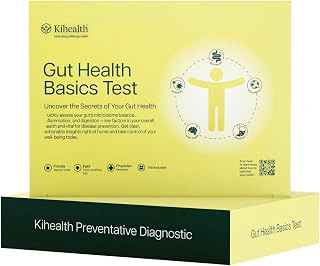
Kihealth Gut Health Basics: At-Home Comprehensive Stool Analysis Test
The Kihealth Gut Health Basics test offers a straightforward entry point for anyone curious about their microbiome without the complexity of clinical lab orders. This stool-based kit collects samples at home, then ships to a lab for comprehensive bacterial profiling and diversity scoring.
At $179, the kit sits in the middle of the at-home stool test market - more affordable than clinical-grade panels that often exceed multiple, yet thorough enough to map the major bacterial phyla and flag imbalances. The collection process uses a simple vial system with a prepaid return envelope, so you avoid the hassle of coordinating specimen drop-off.
The report breaks down dominant bacterial families, calculates a diversity index, and highlights which groups may be under- or over-represented compared to reference ranges. This makes it easier to spot patterns that could inform dietary adjustments - such as increasing fiber intake to support Kihealth Gut Health Basics: At-Home Comprehensive Stool Analysis Test Bifidobacteria or reducing processed foods if opportunistic species appear elevated.
Because the test focuses on bacterial composition rather than functional metabolites or virome data, it works best as a starting snapshot. Users new to gut health testing will appreciate the clear visual charts and plain-language explanations, while those already familiar with microbiome concepts may want additional metabolic or inflammatory markers found in more expensive panels.
The kit has earned a 5.0 rating, reflecting solid sample stability, reliable lab turnaround, and report clarity. If you're looking for a one-time baseline to guide probiotic selection or dietary experiments, the Kihealth test delivers actionable bacterial insights without requiring a prescription or extended wait times.
- ✅ Mid-range $179 price point for comprehensive stool analysis
- ✅ Simple at-home collection with prepaid return shipping
- ✅ Clear report with bacterial diversity scoring and reference ranges
- ✅ No prescription required
- ⚠️ Focuses on bacterial composition only, no metabolite or virome data
- ⚠️ Best suited as a one-time baseline rather than ongoing tracking
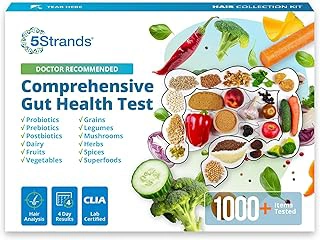
5Strands Comprehensive Gut Health Test: At-Home Hair Sample for Food Intolerance Screening
At $98.10, the 5Strands Comprehensive Gut Health Test removes one of the biggest barriers to microbiome testing: handling stool samples. Instead, you mail in a small hair sample and receive a report that screens for food intolerances across hundreds of items.
This format is worth understanding before you buy. Hair-based analysis does not measure live bacterial populations in your gut; it screens for immunological responses to foods and other substances. That makes it a different tool than DNA sequencing of stool. You will not see counts of Bifidobacterium or Firmicutes ratios - you will see a list of foods flagged as potential intolerances, ranked by response level.
For someone who wants to identify possible food sensitivities without the complexity of stool collection or the expense of a full sequencing panel, this approach offers a clear advantage. The hair sample takes seconds to collect at home, ships in a prepaid envelope, and results typically arrive within a week. The 4.3 rating reflects a mix of users who appreciated the simplicity and those who expected deeper microbiome composition data.
The report groups flagged foods into categories and severity levels, giving you a starting point for an elimination trial. It does not replace medical allergy testing, and it will not tell you which probiotic strains you carry or how diverse your microbiome is. If your goal is to map bacterial communities for targeted supplement choices, a stool-based DNA test will deliver more granular data. If your goal is to screen for dietary triggers quickly and affordably, the hair format works.
Tradeoffs are straightforward: you gain convenience and lower cost, but lose the bacterial taxonomy and diversity metrics that stool tests provide. The 5Strands kit fits users who want actionable food guidance without lab-style complexity, not those building a complete gut-health protocol around strain-level data.
- ✅ Hair sample collection avoids stool handling
- ✅ Lower price at $98.10 compared to most stool-based tests
- ✅ Fast turnaround, typically under one week
- ✅ Report screens hundreds of foods for intolerance responses
- ⚠️ Does not measure live bacterial composition or diversity
- ⚠️ Results focus on food intolerances, not microbiome taxonomy
- ⚠️ Less useful for selecting strain-specific probiotics or supplements

Comprehensive Gut Health Stool Test for Leaky Gut, Candida & Microbiome
Users looking for detailed gut pathogen screening alongside microbiome composition analysis will find this comprehensive stool test covers more ground than basic sequencing kits. At $249.95, the panel screens for markers related to intestinal permeability (often called leaky gut), yeast overgrowth including Candida species, and inflammatory indicators in addition to bacterial diversity profiles. This broader scope makes it a closer match to the multi-marker GI panels that functional-medicine practitioners often order through specialty labs.
The kit holds a 4.2 rating and includes all collection supplies needed for a single stool sample. Results typically arrive within two to three weeks after the lab receives your sample. The report breaks down bacterial groups, flags any detected pathogens or opportunistic organisms, and provides reference ranges for inflammation and permeability markers. Because the output includes more data points than a standard microbiome snapshot, interpreting the full panel is easier when working with a nutritionist, naturopath, or integrative physician who can place findings in the context of your symptoms and health history.
This test suits people who have already tried dietary adjustments or probiotics without clear improvement and want a deeper look at possible infections, yeast imbalance, or gut-barrier issues. The added pathogen and inflammation screens justify the higher price if those specific markers matter for your situation. Users new to gut testing may find the report detail overwhelming without professional guidance, so consider whether you have access to a practitioner who uses functional stool testing before ordering.
- ✅ Screens for pathogens, yeast overgrowth, and intestinal permeability markers beyond standard microbiome composition
- ✅ Broader panel aligns with functional-medicine GI testing used by practitioners
- ✅ Single stool sample with all collection materials included
- ⚠️ $249.95 price is the highest among consumer microbiome kits
- ⚠️ Report complexity benefits from practitioner interpretation
- ⚠️ Two- to three-week turnaround may feel long for users seeking quick answers

Ombre Healthy Gut Probiotics: 100 Billion CFU with Prebiotics & Digestive Enzymes
Ombre Healthy Gut Probiotics is a supplement, not a testing kit, but it appears frequently in conversations about acting on microbiome test results. The formula delivers 100 billion CFU across multiple strains, prebiotics to feed Ombre Healthy Gut Probiotics: 100 Billion CFU with Prebiotics & Digestive Enzymes bacteria, and digestive enzymes to support breakdown of food. Priced at $39.99 and rated 4.4 out of 5, it is positioned as a practical first step for readers who have completed a test and want a research-backed option to start rebalancing gut flora.
The 100 billion CFU count sits on the higher end of commercially available probiotics, which may offer broader coverage for depleted or imbalanced microbiomes flagged by testing. The inclusion of prebiotics helps establish an environment where introduced strains can thrive, while digestive enzymes address immediate comfort issues such as bloating or sluggish digestion. Users report improved regularity and reduced digestive discomfort, though individual response varies depending on baseline microbiome composition and dietary habits.
Ombre also offers a separate microbiome test, creating an integrated pathway: test your gut, receive personalized strain recommendations, then order the probiotic formulated to match common gaps. This alignment simplifies decision-making for readers who prefer a single-brand approach rather than cross-referencing test results with generic probiotic labels. However, the supplement itself is not personalized to your specific test data - it is a broad-spectrum formula designed to support general gut health.
Consider this option if your test results highlight low diversity or specific strain deficiencies and you want a high-CFU probiotic with prebiotic and enzyme support. If your test reveals very specific needs, or if you already take targeted probiotics, verify that the strains in this formula align with your goals. The price is competitive for a 100 billion CFU product, and the 4.4 rating reflects consistent satisfaction with digestive comfort and ease of use.
- ✅ 100 billion CFU for broad microbial coverage
- ✅ Includes prebiotics and digestive enzymes
- ✅ Integrates with Ombre's separate microbiome test for streamlined workflow
- ✅ Positive user feedback on digestive comfort and regularity
- ⚠️ Not personalized to individual test results
- ⚠️ Higher CFU count may be unnecessary for some users
- ⚠️ Requires ongoing purchase to maintain benefits

23andMe Health + Ancestry Service: DNA Test Kit with FDA-Authorized Reports
The 23andMe Health + Ancestry Service looks at your DNA rather than the bacteria living in your gut right now, which makes it a different tool than the microbiome tests above. Priced at $149.00 with a 4.6 rating, this kit uses a saliva sample to identify genetic variants that influence how your body processes nutrients, tolerates certain foods, and responds to dietary compounds. If you've already completed a microbiome test and want to understand why your gut reacts the way it does - perhaps a genetic lactose intolerance or a caffeine metabolism variant - layering in DNA data can explain patterns that bacterial composition alone cannot.
Because this is an FDA-authorized genetic test, the health reports cover inherited traits such as predispositions to celiac disease markers, saturated fat and weight response, and alcohol flush reaction. These insights remain stable over your lifetime, unlike the dynamic bacterial populations captured by stool or saliva microbiome tests. The ancestry component adds genealogical context, which may interest users who want both health and heritage information in one kit.
Use the 23andMe test when you need to know whether your genes predispose you to specific nutrient absorption challenges or food sensitivities, especially if dietary adjustments based on microbiome results haven't fully addressed your symptoms. It pairs well with a live microbiome snapshot: the DNA test shows what you were born with, while a microbiome kit shows what you can change through diet, probiotics, or lifestyle. This kit does not identify current bacterial strains, provide probiotic recommendations, or track shifts over time, so it complements rather than replaces dedicated gut flora analysis.
Order the kit, register it online, provide a saliva sample in the included tube, and mail it back in the prepaid package. Results typically arrive in six to eight weeks and include downloadable reports you can share with a dietitian or physician. The combination of genetic predispositions and microbiome data offers a fuller picture: one explains your baseline wiring, the other shows the current state you can influence.
- ✅ FDA-authorized health reports covering genetic traits that affect nutrition and food tolerance
- ✅ Saliva collection is simpler than stool sampling for users who prefer a less invasive process
- ✅ Ancestry data included alongside health insights at the $149.00 price point
- ✅ Genetic results remain stable over time, providing a permanent baseline for dietary planning
- ⚠️ Does not analyze live gut bacteria or provide probiotic or prebiotic recommendations
- ⚠️ Results take six to eight weeks, longer than most microbiome turnaround times
- ⚠️ Genetic predispositions do not reflect current gut health status or recent dietary changes
- ⚠️ Best used in combination with a microbiome test rather than as a standalone gut health tool