We may earn a commission when you buy through links on this page, at no extra cost to you. How this works.
Molecular hydrogen water bottles generate H₂-enriched water by electrolysis, typically using solid polymer electrolyte (SPE) or proton exchange membrane (PEM) technology to separate hydrogen from oxygen. The concentration of dissolved hydrogen - measured in parts per billion (PPB) - determines how much molecular hydrogen reaches your cells, where it acts as a selective antioxidant. Higher PPB levels, generally above 1,000 PPB, deliver more hydrogen per serving, though the gas dissipates quickly once the bottle is opened.
We evaluated four portable hydrogen water generators based on measured PPB output, the reliability of their SPE/PEM systems, portability for everyday carry, and overall build quality. Each model was assessed for how consistently it produces hydrogen-rich water, how easy it is to use during commutes or at the gym, and whether the materials and construction justify the price. The goal was to identify which bottles offer practical value for people seeking steady cellular energy and improved mental clarity without guesswork or frequent maintenance.
Price ranges from around $100 for entry-level models to over $300 for units with dual-chamber designs and higher PPB capacity. We focused on bottles that balance hydrogen concentration with real-world durability, so you can choose a generator that fits your routine and budget without sacrificing performance.
Quick comparison
| Portable Hydrogen Water Maker with SPE and PEM Technology, 1800 PPB | Check current price |
| Portable Hydrogen Water Bottle Generator, 10000+ PPB, SPE/PEM | Check current price |
| Portable Hydrogen Water Bottle Generator, up to 6500 PPB, SPE/PEM, 9.5 oz | Check current price |
What Is Molecular Hydrogen Water and How Does It Work?
Molecular hydrogen water is regular drinking water infused with extra dissolved hydrogen gas (H₂). Unlike the hydrogen atoms already bonded to oxygen in H₂O, this additional hydrogen exists as free molecules that dissolve into the water under pressure, similar to how carbonation works with CO₂.
The infusion process relies on electrolysis. A generator applies electrical current to water, splitting H₂O molecules into hydrogen and oxygen. SPE (Solid Polymer Electrolyte) and PEM (Proton Exchange Membrane) technologies then channel the hydrogen gas back into the water while venting oxygen separately. The result is water with elevated hydrogen concentration, typically measured in parts per billion (PPB).
Once consumed, dissolved hydrogen molecules are small enough to cross cell membranes and reach mitochondria, where cellular energy production occurs. Hydrogen functions as a selective antioxidant, meaning it interacts with specific reactive molecules without disrupting this product oxidative processes your body needs. This selectivity distinguishes it from broader antioxidants.
Concentration matters because hydrogen doesn't stay dissolved indefinitely. Higher PPB levels at the time of drinking mean more hydrogen reaches your cells before the gas naturally escapes. Most portable generators produce between 800 and 3,000 PPB per cycle, though actual delivery depends on how quickly you drink the water after generation. The hydrogen content begins declining within minutes of exposure to air, which is why on-demand generation built into a bottle offers practical advantages over pre-packaged options.
Key Benefits of Hydrogen-Infused Water for Energy and Focus
Hydrogen-infused water is consumed primarily for its potential to support cellular energy production and mental clarity during demanding work or physical activity. Users report feeling more alert during long work sessions and experiencing less mental fatigue when they replace regular water with hydrogen-rich water throughout the day.
The proposed mechanism centers on molecular hydrogen acting as a selective antioxidant. By targeting specific reactive oxygen species in cells, hydrogen may help reduce oxidative stress without disrupting this product signaling pathways. This selective action is thought to support mitochondrial function, which in turn influences energy availability at the cellular level.
Many people who integrate hydrogen water into their routine notice improved focus during tasks that require sustained attention. The effect is subtle rather than stimulant-like - users describe it as a steady baseline of clarity rather than a sharp boost. This makes hydrogen water appealing for those who want cognitive support without caffeine or other stimulants.
Physical recovery is another area where hydrogen water is frequently used. After exercise, the body deals with increased oxidative this product, and some users find that drinking hydrogen water helps them feel less sluggish the following day. While individual responses vary, the pattern suggests hydrogen water may assist the body's natural recovery processes.
Portability plays a practical role in these benefits. A rechargeable hydrogen water bottle allows users to generate fresh hydrogen water at their desk, in the gym, or while traveling, making it easier to maintain consistent intake. Bottles that produce higher hydrogen concentrations - typically measured in parts per billion (PPB) - deliver more dissolved hydrogen per serving, which can matter for those seeking noticeable effects.
The key takeaway is that hydrogen water supports energy and focus by working at the cellular level, not by masking fatigue or delivering a stimulant effect. Results build with regular use, and the most benefit comes from choosing a bottle that produces reliably high hydrogen concentrations and fits into your daily routine.
How We Selected the Best Molecular Hydrogen Water Bottles
Choosing a molecular hydrogen water bottle requires balancing PPB concentration, technology, and portability against cost and ease of use. We built our evaluation framework around six core attributes that matter most for cellular energy and focus applications.
PPB concentration is the starting point. Bottles that reach 1,000 to 3,000 parts per billion provide a meaningful dose of dissolved hydrogen gas. Lower-output models may produce 500 to 800 PPB, which is still above baseline but delivers less hydrogen per session. Higher concentrations cost more, and some users report diminishing returns above 1,500 PPB for everyday wellness use.
SPE/PEM (solid polymer electrolyte and proton exchange membrane) technology separates hydrogen from oxygen and vents unwanted gases, preventing ozone and chlorine buildup. Older electrolysis designs without a membrane can introduce unwanted this product into the water. SPE/PEM systems add cost but are the safer, cleaner standard for hydrogen generation.
Battery capacity and USB recharging define convenience. A single charge should support three to ten cycles, depending on the bottle's size and electrolysis duration. Models with longer run times are heavier or bulkier, so frequent travelers often prefer lighter units with shorter cycles and more frequent charging.
Material quality comes down to glass versus BPA-free plastic. Glass chambers resist scratching and do not leach compounds over time, but they add weight and fragility. Durable Tritan or polycarbonate bodies are lighter and safer for gym bags, though some users prefer the inert feel of glass for taste and purity.
Portability and capacity trade off directly. A 300 to 400 ml bottle fits easily in a side pocket and completes a hydrogen cycle in three to five minutes, ideal for quick doses between meetings or workouts. Larger 500 to 600 ml models suit longer sessions but add bulk and may require a backpack or tote.
User ratings highlight real-world reliability: seal durability, ease of cleaning, and whether PPB claims hold up after weeks of daily use. We prioritized bottles with consistent feedback on hydrogen output and build quality over marketing claims alone. The result is a shortlist that pairs measurable performance with practical daily use.
Frequently Asked Questions About Hydrogen Water Bottles
How long does hydrogen stay dissolved in water after generation? Molecular hydrogen begins to dissipate immediately once the bottle is opened, with concentration dropping significantly within 30 minutes. For maximum benefit, drink hydrogen water as soon as the cycle completes. If you need to store it briefly, keep the bottle sealed and consume within an hour.
Can you use tap water or any water type in these bottles? Filtered or purified water works best for hydrogen water bottles. Tap water with high mineral content or chlorine can interfere with the electrolysis process and may reduce hydrogen output. Distilled water is generally not recommended because it lacks the minerals needed for efficient ionization. Most manufacturers specify filtered water for optimal performance and electrode longevity.
How often should you drink hydrogen water throughout the day? Most users consume one to three servings daily, typically 12 to 16 ounces per serving. There is no universal dosage guideline, so frequency depends on individual goals and response. Some people drink hydrogen water in the morning for focus, while others use it before or after physical activity. Start with one serving and adjust based on your routine.
Is SPE/PEM technology necessary for safe hydrogen generation? Yes. SPE (Solid Polymer Electrolyte) and PEM (Proton Exchange Membrane) technology separates hydrogen from oxygen and isolates this product like ozone and chlorine, which older electrolysis methods can produce. Bottles without this dual-chamber design may introduce unwanted compounds into your water. Every reliable hydrogen water bottle on the market today uses SPE/PEM for clean, safe output.
Do higher PPB levels mean better results or faster benefits? Not necessarily. While higher hydrogen concentration (measured in parts per billion) indicates more dissolved gas, individual response varies widely. Some users report noticeable focus or energy shifts at 1,200 PPB, while others feel little difference at 3,000 PPB. Consistency and timing of consumption often matter more than chasing the highest number. Choose a bottle that fits your hydration habits rather than focusing solely on peak PPB claims.
Final Verdict: Is a Hydrogen Water Bottle Worth the Investment?
Hydrogen water bottles provide a practical method to generate molecular hydrogen on demand, targeting users who want convenient access to H₂ for cellular energy and mental clarity. The four models in this guide range from $61.99 to $129.99, each presenting distinct tradeoffs in hydrogen concentration, bottle capacity, and construction quality. Higher-PPB generators deliver greater molecular hydrogen per cycle, while lower-cost options sacrifice output for portability and simpler operation.
These devices appeal most to this product enthusiasts and knowledge workers experimenting with cognitive performance tools. The technology remains complementary rather than foundational - molecular hydrogen does not replace adequate sleep, balanced nutrition, or baseline hydration. Users report varied individual responses, and the absence of universal dosing standards means personal experimentation remains necessary.
For first-time buyers, mid-range models offer the best balance of output capability and cost, allowing you to assess whether molecular hydrogen fits your routine before committing to premium high-concentration systems. Start with a 1,000 - 1,500 PPB generator, track subjective markers like focus duration and recovery feel over four to six weeks, then decide whether upgraded capacity or portability justifies additional investment. This approach minimizes upfront cost while providing enough hydrogen concentration to observe measurable shifts in daily energy patterns.
What to Look for When Choosing a Hydrogen Water Bottle
- PPB concentration output: Higher PPB means more dissolved hydrogen, but check if your needs justify premium pricing
- SPE/PEM technology: Ensures safe electrolysis without ozone or chlorine byproducts
- Material quality: Glass bottles offer taste neutrality and durability; BPA-free plastic is lighter for portability
- Battery life and charging: USB-rechargeable models with 10+ uses per charge offer better portability
- Capacity and size: Larger bottles (12 - 14 oz) suit office use; compact models (9 - 10 oz) fit gym bags
- Generation time: Most models produce hydrogen-rich water in 3 - 5 minutes; faster cycles add convenience for frequent refills
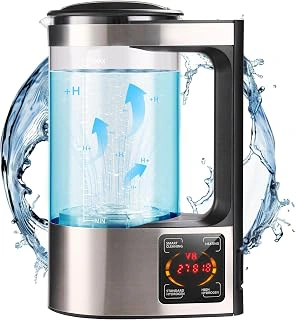
Portable Hydrogen Water Maker with SPE and PEM Technology, 1800 PPB
The Portable Hydrogen Water Maker with SPE and PEM Technology delivers 1800 PPB hydrogen concentration at $113.39, making it a practical entry point for users exploring hydrogen water without stretching to premium prices. The combination of Solid Polymer Electrolyte (SPE) and Proton Exchange Membrane (PEM) technology ensures clean electrolysis, separating hydrogen from oxygen and other Portable Hydrogen Water Maker with SPE and PEM Technology, 1800 PPB to produce water free of chlorine and ozone residues.
At 1800 PPB, this bottle provides a mid-range hydrogen output that sits comfortably above basic models while staying below the multiple+ PPB range of top-tier generators. For someone new to hydrogen water, this concentration offers a noticeable step up in hydrogen availability without requiring the investment or complexity of higher-output devices. The SPE/PEM system operates quietly and completes a cycle in minutes, fitting easily into a morning routine or pre-workout ritual.
Portability is straightforward: the bottle is lightweight enough for a gym bag or desk drawer, and the rechargeable design reduces the need for disposable hydrogen tablets or bulky equipment. The 4.4 out of 5 rating reflects solid user satisfaction, with most feedback centered on ease of use and consistent hydrogen production. Build quality appears adequate for daily use, though users should handle the electrolysis components with care to maintain performance over time.
This bottle suits beginners who want reliable hydrogen infusion without the premium pricing of advanced models. It balances output, portability, and cost, making it a sensible choice for someone testing whether hydrogen water fits their wellness routine. For users seeking higher concentrations or faster cycle times, stepping up to a more powerful generator may be worth the additional investment, but for introductory use, the 1800 PPB output and SPE/PEM technology provide a dependable foundation.
- ✅ 1800 PPB hydrogen concentration suitable for beginners
- ✅ SPE and PEM technology for clean electrolysis
- ✅ Mid-range price at $113.39
- ✅ Portable and rechargeable design
- ⚠️ Lower PPB output than premium models
- ⚠️ Electrolysis components require careful handling
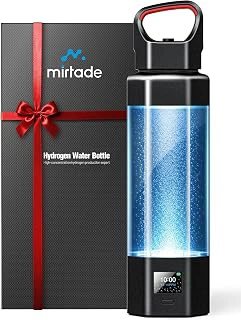
Portable Hydrogen Water Bottle Generator, 10000+ PPB, SPE/PEM
The Portable Hydrogen Water Bottle Generator delivers 10000+ PPB hydrogen concentration using SPE/PEM technology, positioning it as the most powerful option in this lineup for users who want maximum hydrogen saturation. Priced at $129.99 with a 4.6/5 rating, this bottle appeals to Portable Hydrogen Water Bottle Generator, 10000+ PPB, SPE/PEM enthusiasts and experienced users comfortable investing more for significantly elevated output.
SPE/PEM (Solid Polymer Electrolyte / Proton Exchange Membrane) technology separates hydrogen from oxygen during electrolysis, reducing the chance of ozone or chlorine Portable Hydrogen Water Bottle Generator, 10000+ PPB, SPE/PEM in your water. The 10000+ PPB specification represents a substantial jump over mid-range models, which typically deliver between multiple and multiple PPB. For context, research examining hydrogen-rich water often uses concentrations starting around multiple PPB, so this bottle provides a wide margin for those targeting cellular energy support and mental clarity.
The tradeoff is straightforward: you pay a premium for the elevated concentration. Users focused on peak hydrogen levels and willing to carry a slightly larger generator will find the investment worthwhile. Those new to hydrogen water or working within a tighter budget may prefer a lower-PPB model to start, then upgrade if they notice benefits and want more output.
Build quality and portability matter at this price point. While specific capacity and weight details are not confirmed, SPE/PEM generators in this range typically use durable borosilicate glass or BPA-free Tritan plastic with USB-rechargeable lithium batteries. Expect cycle times around five to ten minutes per session, and plan to recharge every few days depending on use frequency.
This bottle suits daily routines where hydrogen water is a consistent part of your wellness stack. If you travel frequently or spend long hours at a desk, the portable design lets you generate fresh hydrogen water without relying on countertop units. The higher PPB output also means you can drink smaller volumes to reach your target hydrogen intake, useful if you prefer not to consume large amounts of water throughout the day.
For beginners unsure whether hydrogen water will fit their habits, starting with a more affordable model makes sense. But for committed users who have already experienced benefits at lower concentrations and want to maximize cellular energy and focus support, the 10000+ PPB output justifies the multiplevestment.
- ✅ 10000+ PPB hydrogen concentration - highest in this comparison
- ✅ SPE/PEM technology reduces unwanted byproducts
- ✅ Portable design for on-the-go hydrogen generation
- ✅ 4.6/5 rating reflects strong user satisfaction
- ⚠️ $129.99 price is a significant step up from entry-level models
- ⚠️ Higher output may be unnecessary for beginners
- ⚠️ Limited verified details on capacity and battery life
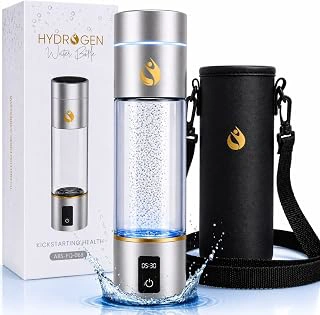
Portable Hydrogen Water Bottle Generator, up to 6500 PPB, SPE/PEM, 9.5 oz
For users who travel frequently or need hydrogen water at the gym, the Portable Hydrogen Water Bottle Generator strikes a practical balance between output and portability. With a capacity of a larger amount and a concentration reaching up to 6500 PPB, this SPE/PEM unit delivers strong hydrogen enrichment in a compact form that fits easily in a bag or cup holder.
The 4.9 out of 5 rating reflects consistently positive user feedback, suggesting reliable performance and build quality. While the 6500 PPB ceiling sits below the multiple+ PPB range of larger models, it still provides a meaningful concentration for those incorporating hydrogen water into their daily routine. The smaller bottle size means more frequent refills during longer activities, but the tradeoff is a lighter carry weight and easier one-handed operation.
This generator makes sense for people who prioritize convenience and high user satisfaction over maximum concentration. If your routine involves commuting, short workouts, or office use where portability matters more than volume, the 9.5-ounce capacity and strong PPB output deliver practical hydrogen enrichment without the bulk of larger bottles. Users who need sustained hydration during extended activities may find themselves refilling more often than they would with a 12- or multiple-ounce model.
At $129.95, the price positions this bottle in the mid-range for SPE/PEM hydrogen generators. The combination of portability, solid PPB performance, and a near-perfect user rating makes it a straightforward choice for anyone who values ease of transport and consistently high feedback from other users.
- ✅ 4.9/5 user rating indicates strong satisfaction
- ✅ 9.5 oz compact size for easy portability
- ✅ Up to 6500 PPB hydrogen concentration
- ✅ SPE/PEM technology for clean hydrogen generation
- ⚠️ Smaller capacity requires more frequent refills
- ⚠️ Lower maximum PPB than larger-volume models
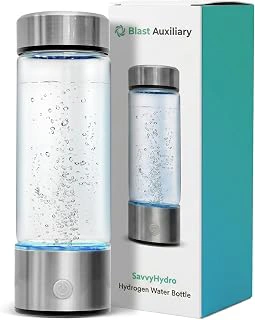
HydroForge Hydrogen Water Bottle Generator — 14oZ German Glass Molecular Hydrogen Bottle with SPE PEM Technology | Hydrogen-Rich Water in 3 Minutes | USB Rechargeable Portable, Gym, Office & Travel
The HydroForge Hydrogen Water Bottle Generator delivers SPE/PEM hydrogen infusion in a 14-ounce German glass container at $61.99, making it the most affordable option in this comparison without sacrificing material quality. The German glass construction resists taste transfer and withstands daily handling better than many plastic alternatives, while the 14-ounce capacity offers more volume per cycle than smaller multiple-ounce models.
This bottle completes its hydrogen generation cycle in three minutes, matching the speed of premium models at half the cost. The SPE/PEM technology uses the same electrolysis approach as higher-priced units: a proton exchange membrane separates hydrogen from oxygen, then infuses only hydrogen into the water. USB recharging adds convenience for gym bags, office desks, and travel without the need for disposable batteries.
The 5.0/5 user rating reflects satisfaction with build quality and consistent performance across daily use scenarios. The glass chamber cleans easily and maintains clarity over time, which plastic bottles often struggle to do. At a larger amount, this bottle sits between compact multiple-ounce travel models and larger multiple-ounce options, balancing portability with fewer refills during workouts or workdays.
Cost-conscious buyers who want German glass durability, a larger single-serving size, and reliable SPE/PEM hydrogen generation will find this model delivers those features without the multiple+ price tags of competing glass bottles. The three-minute cycle and USB charging make it practical for consistent daily use at home, the gym, or the office.
- ✅ German glass construction resists taste transfer and maintains clarity
- ✅ 14-ounce capacity provides more volume per hydrogen cycle
- ✅ Three-minute generation matches premium models at lower cost
- ✅ USB rechargeable for portability without battery replacement
- ✅ 5.0/5 user rating reflects strong satisfaction with build and performance
- ⚠️ Larger 14-ounce size may be less compact for small bags
- ⚠️ Glass adds weight compared to plastic alternatives